


The United States has swiftly mobilized more than $112 million in bilateral foreign aid to address the escalating Ebola crisis in the Democratic Republic of the Congo (DRC) and Uganda. This response comes as US health authorities caution that the situation is rapidly changing, emphasizing that the current risk to the US remains low.
The State Department has confirmed plans to allocate an additional $80 million in bilateral assistance to enhance the on-ground response efforts. This new commitment brings the total mobilized amount to over $112 million within a span of less than two weeks.
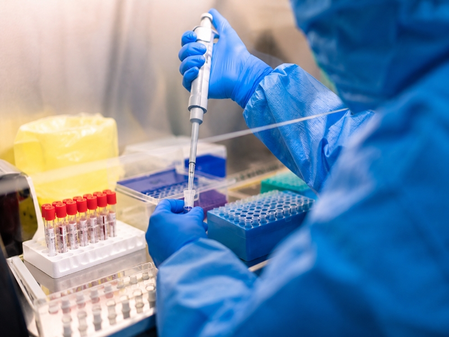
The allocated funds will be utilized for various purposes, including the procurement and distribution of personal protective equipment (PPE), border screening, surveillance, contact tracing, and diagnostic supplies in the affected regions. UNICEF and the World Food Programme are set to expand the procurement and distribution of PPE for healthcare workers in high-risk zones.
The International Organization for Migration (IOM) will play a crucial role in bolstering health screening at airports and key border crossings, along with expanding public awareness campaigns. Additionally, organizations like Interchurch Medical Assistance (IMA) World Health, World Vision, and UNICEF will intensify contact tracing efforts and community surveillance operations to identify individuals exposed to Ebola.
In parallel to the bilateral aid, the State Department has pledged an additional $50 million through the UN Office for the Coordination of Humanitarian Affairs (OCHA) to establish up to 50 Ebola response clinics in the affected areas. Furthermore, $300 million is being provided through OCHA pooled funds to the DRC and Uganda for broader humanitarian assistance.
Responders supported by the State Department have already been dispatched to numerous health facilities in Ituri, North Kivu, and South Kivu provinces in eastern Congo. The US Centers for Disease Control and Prevention (CDC) has intensified support operations in both countries, deploying trained personnel and preparing to send additional experts to the region.
Dr. Satish Pillai, CDC Ebola Response Incident Manager, highlighted the agency’s efforts, mentioning the deployment of trained disease detectives and community healthcare workers to enhance local capacity for early reporting. He emphasized that Ebola is not transmitted through casual contact, reassuring that the risk to the United States remains low due to the country’s robust public health monitoring and preparedness systems.
The State Department has established a dedicated Ebola travel advisory page to offer updated information for American travelers heading abroad. The current outbreak involves the Bundibugyo strain of the Ebola virus, a less common species that has caused previous outbreaks in Uganda and eastern Congo.
US officials acknowledged challenges in early testing and transportation conditions that initially delayed confirming the outbreak in the DRC. The country has grappled with multiple Ebola outbreaks in the past due to factors like fragile healthcare infrastructure, armed conflict, and population displacement in eastern regions. Uganda, too, has encountered several Ebola outbreaks, prompting vigilance along porous borders to prevent further spread.
