


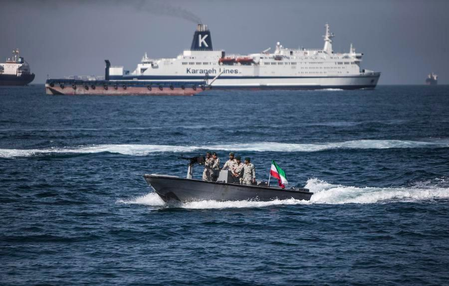
The United States and Iran have decided to cease recent military activities in the Strait of Hormuz and focus on negotiations to maintain a fragile ceasefire. Despite disagreements over control of the vital maritime trade route, officials from both nations have indicated a commitment to continue technical discussions. Commercial shipping is set to resume as both sides agree to a temporary halt in attacks in the region.
Technical talks are expected to proceed to implement the ceasefire agreement, although Iran has yet to confirm the reported understanding. Following a series of retaliatory strikes, the diplomatic efforts come after days of military exchanges between the two countries. The US accused Iran of attacks on commercial vessels, leading to strikes on Iranian military targets, with Iran responding by targeting US military facilities in Bahrain and Kuwait.
While a breakthrough seems apparent, differences persist regarding the governance of the Strait. Iranian Foreign Minister Abbas Araghchi emphasized Tehran’s sole responsibility for managing maritime traffic in the waterway under the existing memorandum. The US, on the other hand, stresses the importance of maintaining freedom of navigation in the region. US officials have warned of further consequences if Iran continues to target international shipping, with President Trump indicating a willingness to take military action if necessary.
The recent violence briefly disrupted commercial traffic through the Strait of Hormuz, a critical passage for global oil trade. Both countries now plan to engage in broader negotiations to address hostilities and Iran’s nuclear program, with an initial focus on restoring normal shipping operations through the Strait.
