


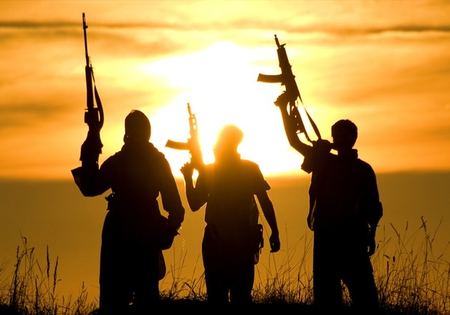
The recent military actions by the United States and Israel targeting Iran raise concerns about the potential for prolonged growth of terrorism, which could have repercussions beyond Iran’s borders. An expert in diplomacy and international cooperation, Peter Knoope, highlighted the risk of the Islamic State – Khorasan Province gaining ground in Iran, leading to significant regional implications. Knoope drew parallels with past events, citing how the US invasion of Iraq in 2003 indirectly contributed to the rise of Daesh through subsequent developments.
The expert emphasized that the destabilization caused by such actions not only impacts the immediate country and its people but also has the potential to affect the broader region and even global security. He pointed out that past instances of extremist groups emerging were often fueled by various factors such as the availability of weapons, areas with weak governance, public discontent, human rights abuses, and an environment conducive to radicalization. These conditions can create fertile ground for extremist recruitment and violence.
According to Knoope, the current situation in Iran, coupled with escalating tensions and the development of an “us versus them” narrative, could create vulnerabilities that groups like ISKP might exploit. He cautioned that this could lead to targeted violence against Shia communities, institutions, and individuals. The expert also raised concerns about the potential for sectarian violence to be supported, either actively or passively, by other Sunni-dominated entities in the region, although the extent of such backing remains uncertain.
