


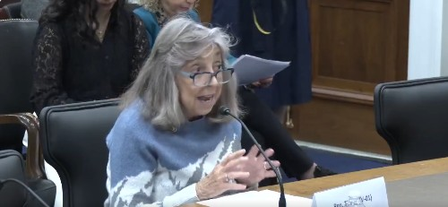
The US Congress discussed the increasing population of wild horses on public lands and the challenges of managing them efficiently. Lawmakers explored options to enhance fertility control and reduce the reliance on expensive holding facilities. Representative Dina Titus from Nevada criticized the Bureau of Land Management’s current approach, highlighting its unsustainability for taxpayers, animal welfare, and public land health.
Titus pointed out that between fiscal years 2022 and 2024, over 41,000 horses and burros were removed from the range. She expressed concern over the 64,000 animals currently in holding facilities, emphasizing the need for a more cost-effective and humane management strategy.
Lawmakers were urged to allocate at least 10% of the Wild Horse and Burro Program budget for implementing fertility control measures. Titus emphasized the importance of ensuring the humane stewardship of these iconic animals, calling for a shift away from costly roundups and long-term holding facilities.
House Appropriations Subcommittee on Interior, Environment, and Related Agencies Chairman Mike Simpson acknowledged the financial burden of managing wild horses and burros, revealing that $144 million was spent on them in the previous year. Simpson expressed openness to innovative solutions to address the population issue, recognizing the detrimental impact on both the animals and public lands.
Representative Titus also raised concerns about potential threats to national monuments and public lands, emphasizing their significance in preserving cultural heritage and conservation efforts in the western US. She stressed the need for protective measures in the Appropriations Bill to safeguard these vital landscapes.
