


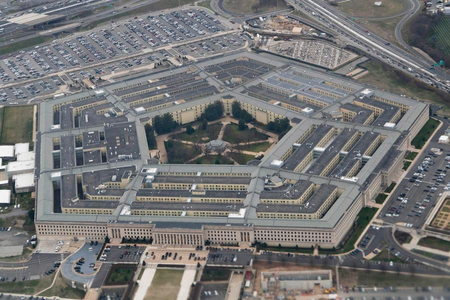
The Pentagon leaders briefed Senators on the significant overhaul of US Cyber Command, known as “Cyber Command 2.0,” aimed at countering cyber threats from China, Russia, and Iran. Senator Jacky Rosen highlighted the urgency of addressing cyber threats, emphasizing the need for enhanced cyber capabilities to defend against constant probing and attacks by adversaries. The new plan, focusing on domain mastery, specialization, and agility, aims to build a more capable and adaptable cyber force.
US Assistant Secretary of Defence for Cyber Policy, Katherine Sutton, outlined the key aspects of “Cyber Command 2.0,” including targeted recruiting, specialized training, and incentives to attract and retain cyber professionals. General William Hartman emphasized the importance of modernizing cyber training and integrating artificial intelligence to enhance cyber defense capabilities. The plan also addresses challenges such as inconsistent compensation and heavy administrative burdens to build a more lethal and enduring cyber force.
The revised force generation model of “Cyber Command 2.0” aims to create a more agile and efficient cyber force by streamlining training, incentives, and talent management. The integration of artificial intelligence is a key component in enhancing cyber threat detection and response capabilities, allowing human experts to focus on critical decision-making. The plan, developed with a 2027 timeline in mind, seeks to strengthen coordination across all combatant commands to meet the evolving cyber challenges.
