


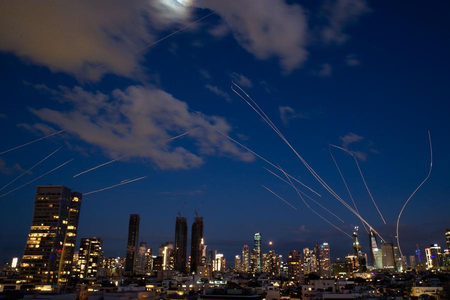
The US initiated a significant military offensive against Iran, targeting more than 1,000 military sites within 24 hours under the operation dubbed “Operation Epic Fury.” Launched by President Donald Trump’s directive at 1:15 am on February 28, the US Central Command forces are focused on dismantling Iran’s security apparatus by striking imminent threat locations.
The operation involved a wide array of assets in a coordinated, multi-domain campaign. Aircraft such as B-2 stealth bombers, F-35 stealth fighters, F-22, F-16, and F-18 fighter jets, along with A-10 attack aircraft, were deployed. Additionally, electronic warfare and surveillance platforms like EA-18G electronic attack aircraft, reconnaissance aircraft, and communication relay systems were utilized.
Missile defense systems like Patriot interceptor missile systems and THAAD anti-ballistic missile systems were part of the deployment, along with naval assets including nuclear-powered aircraft carriers and guided-missile destroyers. Unmanned and ground systems like MQ-9 Reapers, LUCAS drones, and M-142 High Mobility Artillery Rocket Systems were also employed.
The operation targeted Iran’s command structure and missile infrastructure, focusing on sites such as “Command and Control Centers,” “IRGC Joint Headquarters,” and “IRGC Aerospace Forces Headquarters.” Integrated air defense systems, ballistic missile sites, Iranian Navy ships, submarines, anti-ship missile sites, and military communication capabilities were among the listed targets.
No casualty figures or battle damage assessments were provided, with the operation framed as a response to imminent threats. The Islamic Revolutionary Guard Corps, known for its role in Iran’s security and missile programs, was a primary focus of the offensive.
