


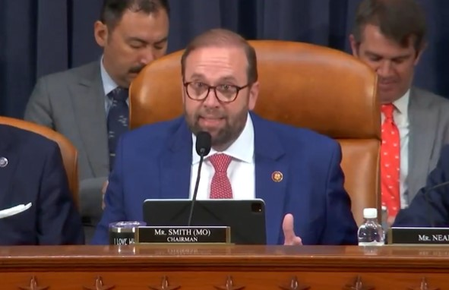
US lawmakers recently deliberated on tax proposals to simplify compliance for cryptocurrency users. The House Ways and Means Committee held a hearing to address the challenges posed by outdated tax rules in the rapidly growing digital asset sector. Committee Chairman Jason Smith emphasized the importance of clear tax regulations to maintain America’s position as a leader in financial innovation.
The proposed bills aim to streamline reporting requirements for digital asset transactions, define tax implications of mining and staking rewards, extend certain tax benefits to cryptocurrencies, and enhance anti-abuse measures. With over 67 million Americans owning cryptocurrency, Smith highlighted the need to reduce unnecessary tax burdens on regular users. He pointed out that the current system generates excessive paperwork even for small transactions like buying a cup of coffee.
Industry representatives raised concerns about tax uncertainties hindering the widespread adoption of blockchain-based financial services. Lawrence Zlatkin from Coinbase stressed that unclear tax rules lead to compliance complexities and economic activities shifting elsewhere. He urged Congress to simplify reporting for small transactions and provide clarity for taxpayers using digital assets.
Experts also called for clearer guidelines on taxing cryptocurrency mining and staking activities, crucial for validating blockchain transactions. Fidelity Investments’ Sarah Reilly emphasized the necessity of legislative action to address gaps in the existing tax framework. However, some cautioned against granting tax advantages to digital assets over traditional investments, emphasizing the importance of parity and safeguards against abuse.
Democratic lawmakers expressed worries that certain proposals might create loopholes or incentivize a shift from traditional investments to cryptocurrencies. While acknowledging the benefits of reducing paperwork and enhancing clarity, Ranking Member Richard Neal urged caution against favoring one asset class over another. The ongoing debate reflects Washington’s efforts to establish a regulatory framework for digital assets, including cryptocurrencies, stablecoins, and blockchain-based financial services.
