


US lawmakers are advocating for a permanent ban on tariffs on digital products before the WTO ministerial meeting, but face opposition from India. The current moratorium on customs duties for electronic transmissions, in place since 1998, is a key focus. This rule prevents countries from taxing digital trade like software, data, and online services.
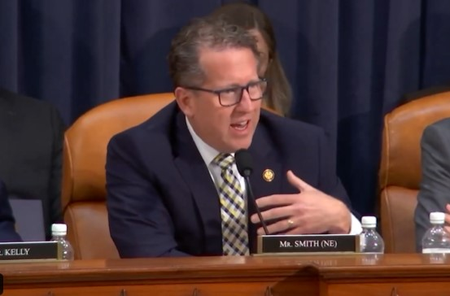
House Ways and Means Committee Chairman Adrian Smith emphasized the importance of extending the moratorium to benefit American businesses. Experts caution that not extending the moratorium could negatively impact global trade. Stephen Ezell from the Information Technology and Innovation Foundation stressed the need to secure the continuation of the WTO moratorium to avoid increased costs in global digital trade.
India’s role in the decision-making process was highlighted, with concerns raised about its stance on the e-commerce moratorium. India’s digital economy, accounting for 11% of its GDP, could be severely affected if the moratorium lapses. The discussion also touched on agricultural issues, particularly subsidies, with India seeking permanent exceptions on public stockholding.
Lawmakers emphasized the importance of aligning with India on digital trade for stronger partnerships in technology industries. The hearing showcased differing opinions in Washington regarding the effectiveness of the WTO, with some defending it as a rules-based system while others expressing doubts about its ability to deliver results. The fate of the digital trade moratorium at MC14 will test the WTO’s responsiveness to the evolving digital economy.
