


Uncertainty surrounding the direction of US monetary policy has intensified due to escalating tensions in the Middle East, as stated by a senior official from South Korea’s central bank. The Federal Reserve recently decided to maintain its benchmark interest rate within the 3.5-3.75 percent range for the second consecutive time, with a projection of a single rate cut this year. Following this decision, Fed Chair Jerome Powell highlighted concerns about rising oil prices leading to inflationary pressures, indicating a cautious approach towards future rate adjustments.
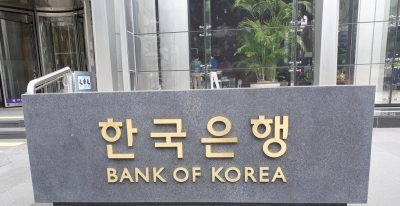
Bank of Korea’s Deputy Gov. Yoo Sang-dai expressed concerns about the increased uncertainty in the Federal Reserve’s monetary policy direction post the Federal Open Market Committee meeting. He emphasized the persistent external risks, particularly the ongoing instability in the Middle East, during a market assessment meeting. Yoo reassured a vigilant monitoring of both internal and external risk factors and their potential impact on the economy, pledging to implement necessary market stabilization measures promptly if required.
In light of the Federal Reserve’s position, the Bank of Korea is anticipated to uphold its current stance of maintaining the key rate at 2.5 percent. The Bank had previously opted for a rate freeze in February, marking the sixth consecutive meeting with no rate adjustments, aiming to bolster financial stability amidst a weak won and to moderate the overheated real estate market. With a policy rate gap of 1.25 percentage points between South Korea and the US, experts caution against a widening gap that could trigger foreign capital outflows and further depreciation of the Korean won.
The South Korean currency has experienced a significant decline against the US dollar following the commencement of the US-Israeli conflict with Iran earlier this month. The currency breached the crucial 1,500 won threshold during intraday trading this week, reflecting the impact of geopolitical tensions on the foreign exchange market.
