


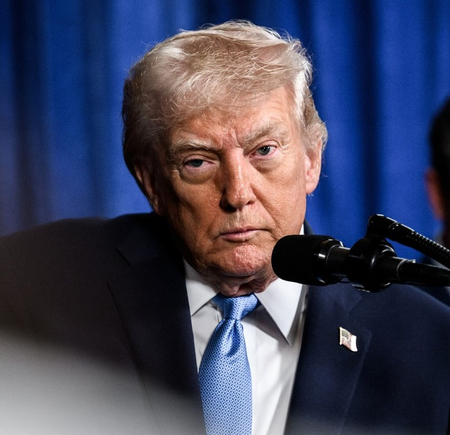
US President Donald Trump is contemplating military actions against Iran as diplomatic efforts reach a critical juncture. Despite Iran’s attempts to strengthen military ties with China and Russia, both nations are hesitant to provide direct military support in a potential conflict with the US. Recent naval drills involving Russia and Iran, as well as planned exercises with Chinese ships, indicate some level of cooperation, but analysts suggest limited willingness for direct military intervention from Beijing and Moscow.
Trump has reportedly expressed readiness for a significant military strike if diplomatic measures or initial targeted attacks fail to deter Iran’s nuclear ambitions. Talks between US and Iranian negotiators in Geneva aim to prevent military escalation, but Trump is evaluating various options for US intervention if diplomatic solutions prove ineffective. Potential targets for US action include Iran’s military installations, nuclear facilities, and ballistic missile sites.
Iran’s Foreign Minister, Abbas Araghchi, emphasized the country’s stance on nuclear activities, asserting its right to nuclear fuel production under international treaties. Meanwhile, Senator Jeff Merkley cautioned against unilateral military actions, highlighting the need for congressional approval to avoid constitutional violations and protect diplomatic efforts. Special presidential envoy Steve Witkoff raised concerns about Iran’s progress in acquiring materials for bomb-making, adding pressure on the US administration to address the situation promptly.
The escalating tensions in the Strait of Hormuz, a critical global oil shipping route, pose immediate implications for India’s energy security. With a significant portion of the world’s oil supply passing through this strategic waterway, any disruption could impact global oil prices and shipping routes vital for India’s energy needs.
