


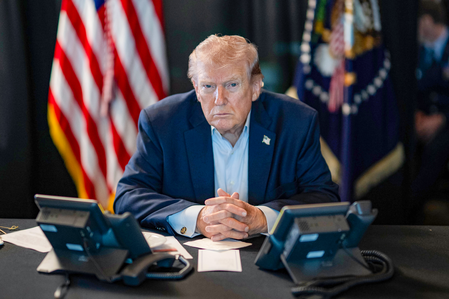
US President Donald Trump is contemplating a potential withdrawal of the United States from NATO, a stance supported by Secretary of State Marco Rubio. Rubio suggested a reevaluation of the alliance following the Iran conflict, citing concerns over European allies’ limitations on American military actions. He highlighted the need to reassess the relationship, especially if allies impede US access to bases during critical times.
Trump has expressed strong considerations about pulling the US out of NATO, particularly after allies opted out of supporting his actions against Iran. Describing NATO as a “paper tiger,” he emphasized that withdrawal is a serious possibility, stating that he was never influenced by the alliance’s significance. Trump criticized European partners for their reluctance to assist in securing the vital global energy route of the Strait of Hormuz, despite US requests for naval deployment.
The NATO dispute has been framed by the administration in the context of the Iran conflict, where the US claims to be making significant progress towards its military objectives. Rubio highlighted the successful dismantling of Iran’s air force, navy, missile launchers, and defense industrial base, indicating that the campaign is close to preventing Iran from developing nuclear weapons in the near future. Meanwhile, European leaders, like British Prime Minister Keir Starmer, have reiterated their support for NATO, emphasizing its historical effectiveness as a military alliance.
The growing transatlantic divide is evident as Washington questions the level of burden-sharing and operational assistance from allies during conflicts beyond Europe. NATO, established in 1949, has traditionally been a key pillar of US-European security collaboration, centered on the principle of collective defense under Article 5. However, this principle applies solely to attacks on members and not to external conflicts such as the ongoing Iran war.
