


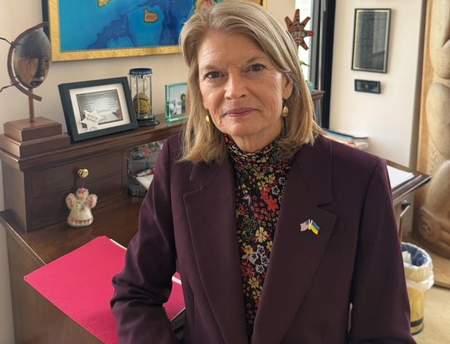
A US senator has introduced a bill to reduce visa expenses for public schools in Alaska that heavily rely on international teachers. Senator Lisa Murkowski’s proposed legislation aims to exempt K-12 public schools from the new $100,000 fee per H-1B visa, which could exacerbate existing staffing shortages. Murkowski emphasized the importance of the H-1B visa program in addressing Alaska’s teacher shortage crisis.
The bill seeks to enable districts to continue hiring qualified educators from overseas to maintain adequate staffing levels in classrooms. Many districts in Alaska, especially in remote and rural areas, face challenges in recruiting local teachers, leading to a significant dependence on international hires. Education officials highlight the crucial role played by international teachers in ensuring the functioning of classrooms across the state.
Dr. Lisa Parady, Executive Director of the Alaska Council of School Administrators, emphasized the essential contribution of international teachers in keeping classrooms operational. She expressed concerns that the high visa fee has rendered it financially unfeasible for districts to recruit the necessary teachers. School leaders, particularly in rural districts, stress that the visa cost impedes their ability to attract educators, with domestic applicants being scarce.
The recent imposition of a $100,000 H-1B visa fee has posed significant challenges for districts like the Kodiak Island Borough School District. Dr. Cyndy Mika, the Superintendent, highlighted the reliance on international hires to fill teaching positions due to a lack of local applicants. Without access to international educators, districts like Kodiak would face difficulties in maintaining consistent learning environments for students, she noted.
Education leaders in Alaska have raised concerns over the impact of the new visa cost on staffing levels in districts. Superintendent Tammy Dodd of the Bering Strait School District emphasized the financial burden imposed by the visa fee on districts already grappling with budget deficits. In some rural districts, international teachers are not merely supplemental but play a vital role in ensuring the functioning of the school system.
