


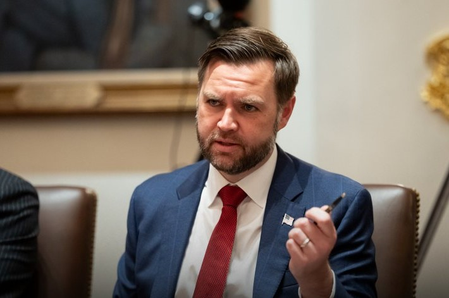
Vice President JD Vance has taken on a crucial role in President Donald Trump’s diplomatic negotiations with Iran. These talks, aimed at reshaping Middle East dynamics, are seen as a historic chance to improve relations with Tehran after months of tension. Vance, the face of these negotiations, is pushing for a transformation in US-Iran relations by urging Iran to abandon destabilizing activities and nuclear ambitions.
As technical discussions on Iran’s nuclear program kick off in Switzerland, Vance’s influence in the negotiations has grown significantly. While other top officials like Secretary of State Marco Rubio have kept a low profile, Vance has stepped up as the primary spokesperson and negotiator for the administration. Trump himself has acknowledged Vance’s key position in these talks.
Despite the optimism surrounding the negotiations, there is skepticism in Washington. Both Democrats and Republicans have raised concerns about the potential outcomes of the deal. Democratic Senator Cory Booker criticized the agreement as a one-sided concession to Iran, while Republican senators also expressed worries about Iran’s possible misuse of economic resources gained through the deal.
Administration officials, however, view these negotiations as a breakthrough in diplomacy. US Ambassador to the United Nations Mike Waltz emphasized the importance of engaging directly with senior Iranian officials, calling it a significant step forward. Former Defense Secretary Mark Esper, while cautious about certain aspects of the deal, advocated for giving the negotiation process a chance.
For Vice President Vance, the success or failure of these talks carries significant political weight. As a prominent figure in the Republican Party and a close ally of Trump, Vance faces the challenge of defending a controversial deal that has divided opinions. The outcome of the negotiations will not only impact US-Iran relations but also shape Vance’s standing in national security and foreign policy matters.
