


West Bengal’s political landscape has a history marred by violence and turmoil. The term “Harmad” was coined by Congress leaders to describe raiders in the 16th and 17th centuries who plundered coastal regions, later used to refer to militia during clashes between the Left Front and Opposition. The state witnessed brutal crackdowns and movements like the Naxalite uprising in the 1960s and 70s.
A senior Communist Party of India (Marxist) leader highlighted the Congress regime’s alleged oppression in the past. Despite historical tensions, there were instances of collaboration between the Communist Party and Congress against common rivals. The Left Front, especially the CPI(M), has faced accusations of violence, including the Sainbari killings and Marichjhapi massacre.
The turbulent history continued with incidents like the Kolkata Police firing on a Youth Congress protest in 1993, resulting in casualties. Allegations of violence persisted through different regimes, with reports of targeted killings and brutal incidents like the rape and murder of activists. The Maoist insurgency in the Junglemahal area and subsequent political killings added to the state’s troubled narrative.
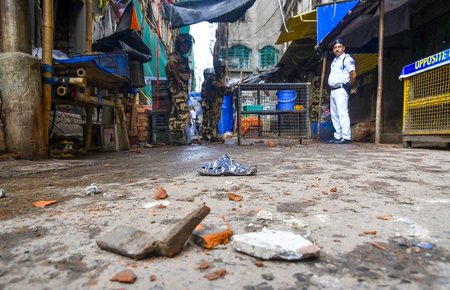
Recent years have seen ongoing violence, with reports of clashes and deaths post-elections. The 2021 Assembly election and subsequent local polls were marked by violence, with casualties reported. The cycle of violence seemed unbroken, with clashes and deaths continuing even after the 2023 local elections. The state remains a hotspot for political confrontations and tragic incidents.
