


The World Health Organization (WHO) has stated that the risk of Nipah virus transmission is low, and there is no requirement for travel or trade restrictions. Two cases of Nipah virus were reported in 25-year-old nurses working at a private hospital in West Bengal’s North 24 Parganas district. The infected healthcare workers showed symptoms in late December 2025, leading to neurological complications.
Following the confirmation of the cases, a comprehensive public health response was initiated. A total of 196 individuals who had contact with the infected individuals were identified, monitored, and tested. Fortunately, all contacts tested negative for Nipah virus and remained asymptomatic. WHO emphasized that no new Nipah cases have been identified yet, and the situation is under close monitoring.
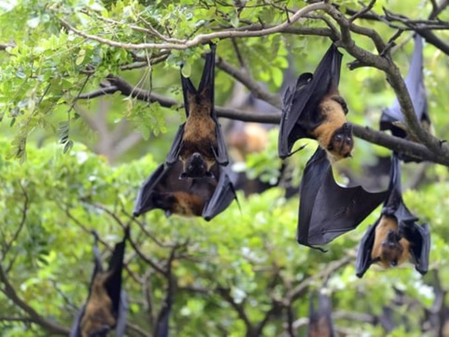
Despite concerns in various countries about the virus, WHO reassured that the risk of Nipah transmission remains low. The organization evaluated the risk at a moderate level in West Bengal due to the presence of fruit bat reservoirs near the India-Bangladesh border. However, the national, regional, and global risk levels are considered low.
This marks the seventh documented Nipah outbreak in India and the third in West Bengal. Nipah virus, a zoonotic disease, is primarily transmitted from bats to humans. It can also spread from animals like pigs to humans and occasionally between individuals through close contact. The infection can range from asymptomatic to severe, with a high fatality rate globally.
