


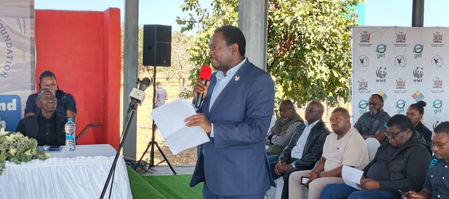
Zambia initiated the Kafue Flats Wildlife, Habitat, Health, and Livelihood Project in the Southern Province to collaborate with the World Wildlife Fund (WWF) Zambia and the International Crane Foundation. The project aims to revive degraded ecosystems, safeguard wildlife, enhance climate resilience, and promote sustainable natural resource management.
Douty Chibamba, the permanent secretary in the Ministry of Green Economy and Environment, emphasized the government’s dedication to preserving natural resources and enhancing local communities’ well-being. The project focuses on biodiversity conservation, livelihood diversification, and community involvement in environmental care.
Chibamba highlighted the ecosystem’s significance in supporting sectors like agriculture, sugar production, and power generation, expressing concerns about threats from climate change. He stressed the need to combat habitat degradation, unsustainable land-use practices, and climate change impacts while creating opportunities for sustainable economic activities.
The project’s success, according to Chibamba, hinges on collective ownership, transparency, accountability, and active stakeholder participation. Nalucha Nganga-Ziba, WWF country director in Zambia, emphasized the project’s potential to bolster water resource and biodiversity conservation, enhancing livelihoods in the region.
Nganga-Ziba noted that the project will enhance community resilience to water scarcity and flooding, contributing to long-term climate adaptation efforts and sustainable livelihoods. By addressing seasonal variability, the initiative aims to strengthen community resilience to water challenges.
