


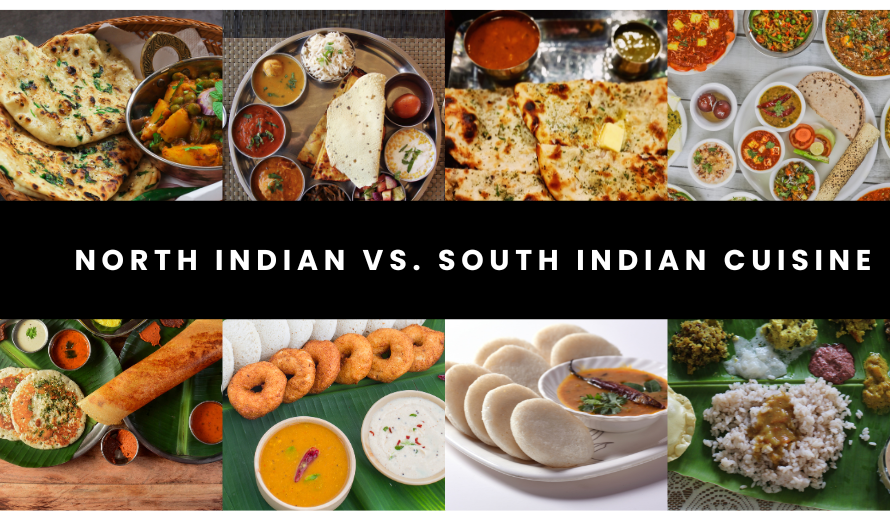
India’s culinary landscape is a fascinating journey through diverse flavors and traditions, and one of the most intriguing aspects of Indian cuisine lies in the regional differences between North Indian and South Indian culinary traditions. These two distinct styles of cooking showcase the rich and varied tapestry of Indian food, reflecting the country’s cultural, geographical, and historical diversity. In this article, we’ll embark on a scholarly yet engaging exploration of the differences between North Indian and South Indian cuisine, unveiling the historical context, unique features, and flavors that set each cuisine apart.
Historical Context: Roots and Influences
To fully comprehend the regional differences in Indian cuisine, we must first delve into the historical context that has shaped the culinary traditions of the North and the South. These two distinct culinary traditions have been influenced by a multitude of factors, including geography, climate, historical events, and cultural interactions.
North Indian Cuisine has been significantly shaped by the Mughal Empire’s rule, which introduced Persian and Central Asian influences into the region’s food. The Mughals brought with them a love for aromatic spices, pilafs, and the art of slow-cooking in tandoors. The result is a cuisine that boasts rich gravies, tandoori dishes, and an emphasis on meat, particularly lamb and chicken.
South Indian Cuisine, on the other hand, has been influenced by the region’s tropical climate, abundant rainfall, and proximity to the sea. The availability of ingredients like coconut, rice, and an array of spices unique to the region has shaped South Indian cuisine. Additionally, the trade and cultural exchanges with countries like Sri Lanka and Malaysia have left their mark on South Indian flavors.
Ingredients and Flavors: Distinctive Elements
One of the most defining features of North and South Indian cuisine is the variety of ingredients and flavors used. These differences in ingredients and spices contribute to the unique tastes and aromas of each cuisine.
North Indian Cuisine often features a rich array of spices, including cardamom, cloves, and cinnamon, which are used to create complex and aromatic gravies. Dairy products, especially ghee and paneer (cottage cheese), play a significant role in North Indian dishes, adding richness and depth to the flavors.
Bread and Rice: The Staples of Indian Cuisine
The choice of staples is another crucial aspect that differentiates North and South Indian cuisine. The selection of staples significantly shapes the daily meals of these regions.
North Indian Cuisine places a strong emphasis on bread, with staples like naan, paratha, and roti taking center stage. These bread varieties are typically enjoyed with rich and flavorful curries and gravies.
South Indian Cuisine, on the other hand, is characterized by its affinity for rice. South Indian meals are often centered around rice in various forms, including idli (steamed rice cakes), dosa (rice crepes), and biryani (fragrant rice dishes). These dishes are typically served with a variety of chutneys, sambar, and rasam.
Dishes and Curries: The Heart of the Matter
North Indian and South Indian cuisines have distinctive approaches to preparing dishes and curries. Each region boasts a range of popular dishes that are beloved for their unique flavors, cooking techniques, and the significance of gravies and sauces.
North Indian Cuisine offers a plethora of famous dishes like butter chicken, chicken tikka masala, and paneer tikka. These dishes are known for their rich, creamy gravies, often prepared with tomato, cream, and a blend of aromatic spices. The art of slow-cooking in tandoors imparts a smoky flavor to many North Indian dishes.
South Indian Cuisine, on the other hand, is celebrated for its array of dosas, idlis, vadas, and the iconic dosa sambar. These dishes are characterized by their use of fermented rice and lentil batters, which give them a unique texture and flavor. South Indian curries often incorporate tangy tamarind and coconut-based gravies, creating a balance of flavors.
Culinary Techniques: Tandoor vs. Steaming
The cooking techniques employed in North and South Indian cuisine are also markedly different, with each region having its own unique approach to preparing food.
North Indian Cuisine is renowned for its use of the tandoor, a cylindrical clay oven. This method of cooking imparts a smoky flavor and char to dishes like tandoori chicken and naan. The tandoor is also used for grilling kebabs and other meat dishes, contributing to the rich, smoky flavors of North Indian cuisine.
South Indian Cuisine, in contrast, often employs steaming and fermentation techniques. The process of fermenting rice and lentil batters for dishes like idli and dosa results in a unique texture and flavor. Steaming is a predominant cooking method for many South Indian snacks and breakfast items.
Pros and Cons: Balancing Act
Each regional cuisine comes with its own set of advantages and challenges, making it important to consider the pros and cons of North and South Indian cuisine:
North Indian Cuisine:
Pros:
Richness and Flavor: North Indian cuisine is celebrated for its rich, flavorful gravies and aromatic spices, making it a go-to choice for those seeking a robust and indulgent dining experience.
Variety: The North offers a vast array of dishes, from creamy kormas to fiery kebabs, ensuring there’s something to satisfy every palate.
Cons:
Caloric Density: The rich use of ghee, cream, and meats can make North Indian dishes calorie-dense, which may not align with dietary restrictions or health-conscious choices.
Digestive Heaviness: The richness of North Indian food can sometimes lead to feelings of digestive discomfort for those unaccustomed to such heavy meals.
As we conclude this gastronomic journey, you now have a deeper understanding of the regional differences between North and South Indian cuisine. The culinary diversity of India is not just about flavors but also the historical, geographical, and cultural contexts that have shaped these two distinct traditions. The beauty of Indian food lies in its ability to cater to a wide range of tastes and preferences, ensuring there’s always something to savor and celebrate.
