


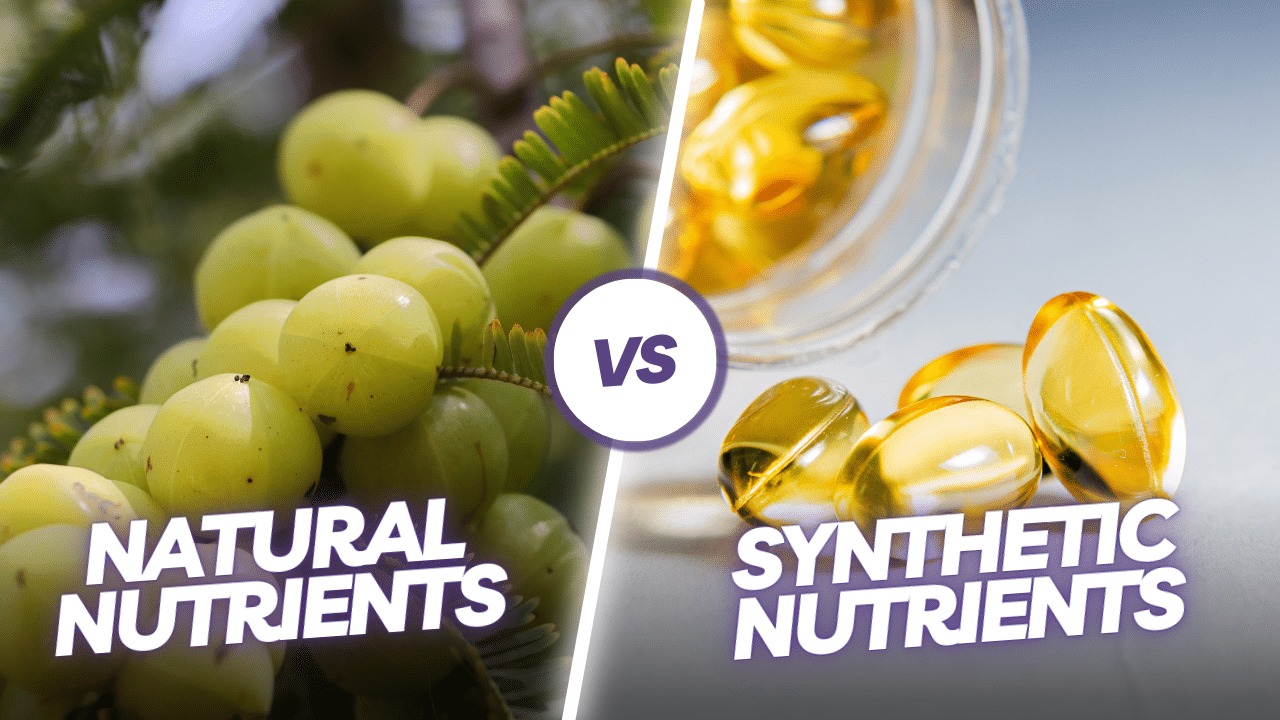
In today’s fast-paced world, many people rely on dietary supplements to meet their nutritional needs. But have you ever wondered whether synthetic nutrients are as beneficial as natural ones? Understanding the differences between synthetic and natural nutrients can help you make informed choices about your diet and supplementation.

What Are Natural Nutrients?
Natural nutrients come directly from whole foods such as fruits, vegetables, nuts, and dairy products. These nutrients are accompanied by a variety of beneficial compounds like fiber, antioxidants, and phytonutrients, which enhance their absorption and effectiveness in the body. Whole foods provide a balanced mix of vitamins and minerals, reducing the risk of toxicity or imbalances.
Benefits of Natural Nutrients
- Better Absorption – Natural nutrients are more bioavailable, meaning the body absorbs and utilizes them more efficiently than synthetic counterparts.
- Rich in Antioxidants – Whole foods contain essential antioxidants like flavonoids and carotenoids, which help protect against cell damage and aging.
- Supports Gut Health – Fiber found in whole foods aids digestion, promotes gut microbiome balance, and enhances nutrient absorption.
- Lower Risk of Toxicity – Since nutrients in whole foods are naturally balanced, there is a lower risk of consuming excessive amounts that could be harmful.
- Improved Long-term Health – Studies show that diets rich in whole foods reduce the risk of chronic diseases, including heart disease, diabetes, and certain cancers.
What Are Synthetic Nutrients?
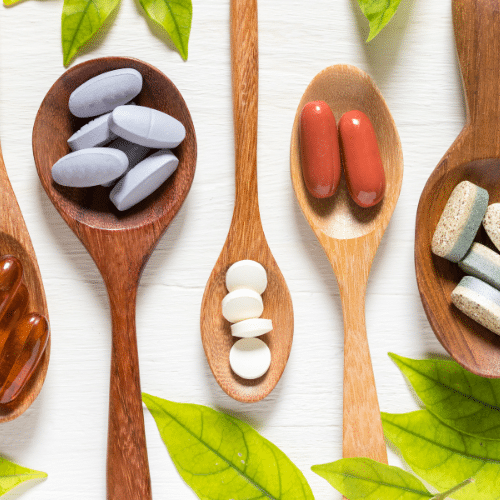
Synthetic nutrients are manufactured in laboratories and designed to mimic the structure of natural vitamins and minerals. They are commonly found in dietary supplements, fortified foods, and certain medications. While synthetic nutrients can be beneficial for individuals with deficiencies, they may not always be absorbed as efficiently as their natural counterparts.
Key Differences Between Synthetic and Natural Nutrients
- Absorption and Bioavailability – Studies suggest that some synthetic nutrients, such as synthetic vitamin E (dl-alpha-tocopherol), are less bioavailable compared to their natural forms. Similarly, natural vitamin C from fruits and vegetables is often better absorbed than synthetic ascorbic acid.
- Presence of Supporting Compounds – Natural foods contain co-factors like fiber, enzymes, and antioxidants that aid nutrient absorption. Synthetic supplements lack these supportive elements, which may impact how the body processes them.
- Risk of Overconsumption – While it’s difficult to consume excessive vitamins from whole foods, synthetic supplements can lead to overdoses, especially with fat-soluble vitamins (A, D, E, and K), which are stored in the body and can accumulate to toxic levels.
- Effectiveness and Health Impact – Some studies suggest that synthetic nutrients may not offer the same health benefits as natural ones. For example, beta-carotene from supplements may not be as effective as beta-carotene from carrots and other vegetables in reducing disease risk.
Are Synthetic Nutrients Harmful?
While synthetic vitamins and minerals are generally considered safe, excessive consumption can lead to negative health effects. For instance:
- High doses of synthetic vitamin A can cause toxicity and liver damage.
- Overuse of synthetic vitamin E supplements has been linked to an increased risk of bleeding disorders.
- Synthetic folic acid, if not properly metabolized, may accumulate in the blood and have potential health risks.
Should You Take Supplements?
Whether or not you need supplements depends on your diet, lifestyle, and health conditions. Whole foods should always be the primary source of nutrients, but in some cases, supplementation is necessary, such as:
- Pregnant women needing folic acid to prevent birth defects.
- Individuals with vitamin D deficiencies due to limited sun exposure.
- Vegans and vegetarians who may require vitamin B12 supplementation.
Final Thoughts: Which Is Better?
While synthetic nutrients can be helpful in certain situations, natural nutrients from whole foods remain the gold standard for optimal health. Eating a well-balanced diet rich in fruits, vegetables, whole grains, and lean proteins ensures that you receive a comprehensive range of vitamins and minerals along with essential co-factors that enhance absorption and effectiveness.
If you do choose supplements, opt for high-quality, third-party-tested products and consult a healthcare professional to determine your specific nutritional needs. By prioritizing whole foods and mindful supplementation, you can support your health in the best possible way.
