


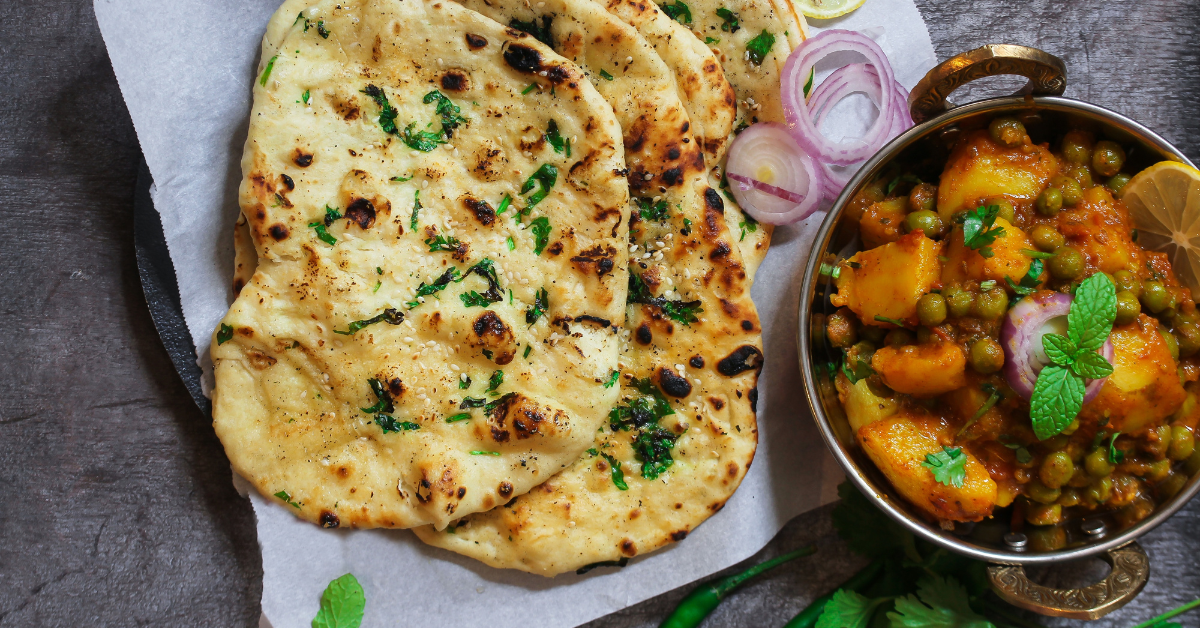
Bread is a universal staple, found in cuisines across the globe. However, in India, it takes on a unique and richly diverse character. Naan, roti, paratha, and other Indian breads are not mere accompaniments to a meal; they are central to the cuisine, culture, and history of the subcontinent. In this article, we will embark on a scholarly yet engaging exploration of the significance of Indian bread, from its historical context to its flavors, regional variations, and diverse roles. By the end of this journey, you will gain a deep appreciation for the cultural and culinary importance of Indian bread.
Historical Context: Origins and Evolution
To understand the significance of Indian bread, we must delve into its historical context. The roots of Indian bread can be traced back thousands of years. Wheat was one of the first grains cultivated in the Indian subcontinent, and it played a crucial role in shaping the cuisine. Early forms of Indian bread were cooked on open flames or hot stones, making them an essential part of the Indian culinary heritage.
The evolution of Indian bread is a testament to the country’s diverse culture and history. Different regions developed their unique variations, with varying techniques and ingredients. For example, in the North, where wheat was abundant, unleavened bread like roti and naan became staples, while in the South, rice-based dishes like dosa and idli took precedence. The British colonial era further influenced Indian bread, introducing new ingredients like baking powder and techniques like oven-baking, giving rise to bread variations like pav and bun.
Flavors and Textures: The Diversity of Indian Breads
One of the most striking features of Indian bread is the remarkable diversity in flavors and textures. Let’s take a closer look at some of the most iconic Indian breads:
Naan: This leavened flatbread is known for its soft, chewy texture and slightly charred flavor. It is typically cooked in a tandoor, a traditional clay oven, which imparts a unique smokiness.
Roti: Roti is an unleavened flatbread, thin and soft, made from whole wheat flour. It’s a daily staple in many Indian households and complements a wide range of dishes.
Regional Variations: Bread’s Adaptation to Locale
Indian breads are not uniform; they adapt to the tastes and preferences of each region. These regional variations are a testament to the incredible diversity of India’s culinary landscape. From the soft and fluffy kulcha of the North to the crispy and layered Kerala parotta in the South, each region has its own take on bread. These variations are influenced by the availability of ingredients, climate, and local traditions, making Indian bread a reflection of the country’s rich cultural tapestry.
Culinary Roles: More Than Just a Side Dish
Indian bread plays a multifaceted role in Indian cuisine. It’s not merely a side dish but an integral part of the meal. Indian bread serves as a vessel for curries, a wrap for kebabs, a complement to vegetarian dishes, and even a dessert in some cases. For instance, the famous street food, kathi roll, uses paratha to wrap a variety of fillings, creating a portable and delicious meal. The versatile nature of Indian bread allows it to adapt to various culinary needs, whether it’s the buttery naan with rich gravies or the humble roti alongside a comforting dal.
Health Considerations: The Pros and Cons of Indian Bread
As with any staple, Indian bread comes with its own set of health considerations. On the positive side, whole wheat options like roti provide essential nutrients and dietary fiber. However, some bread variations are made with refined flours and excess fats, making them calorie-dense and less nutritious. Additionally, portion control is essential, as excessive consumption can lead to health issues.
As we conclude our journey through the world of Indian bread, you now have a deeper understanding of the cultural and culinary significance of naan, roti, and other Indian breads. These breads are not just simple accompaniments; they are integral to the fabric of Indian cuisine, playing diverse roles and offering a rich variety of flavors. Indian bread is more than just food; it’s a symbol of India’s rich heritage and a reflection of the country’s diverse and vibrant culinary traditions.
