


If there is one snack that defines Indian street food culture worldwide, it is the samosa. Those golden triangular parcels of impossibly flaky pastry wrapped around spiced potato filling are the kind of food that stops you mid-conversation at a party, that makes you order “just one more” even when you are full, and that tastes equally delicious piping hot from the fryer or at room temperature hours later. But here is the thing: not all samosas are created equal.
Whether you are planning an Indian feast, need appetizers for a party, or simply want to master one of the world’s greatest savoury snacks, this is the samosa recipe that gets you there.
Quick Recipe
This homemade samosa recipe makes 12 crispy triangular pastries filled with spiced mashed potato, peas, and fresh coriander. The secret: rubbing ghee into flour for flaky pastry, and using a double-fry method (low heat to seal, high heat to crisp) for less greasy, ultra-crispy results. Prep: 30 mins. Fry: 15 mins. Total: 1 hr 15 mins including resting time.
Table of Contents
Why This Homemade Samosa Recipe Works
The challenge with making samosas at home is balancing multiple elements that all need to work perfectly: pastry that is flaky but not too thick, filling that is moist but not so wet it makes the pastry soggy, spicing that is bold but not overwhelming, and a frying technique that delivers crisp results without leaving the samosas swimming in grease.
The spicing here is authentic, using traditional Indian ingredients like ajwain seeds in the dough, amchur (dried mango powder) for tartness, and asafoetida for that subtle garlic-onion depth. These are specialty spices, yes, but they are what make restaurant-quality samosas taste the way they do. That said, substitutions are provided for every specialty ingredient, so you can make excellent samosas even if you do not have access to an Indian grocery store.
COMPLETE RECIPE OVERVIEW
| Recipe Name | Homemade Samosas with Spiced Potato Filling |
| Category | Appetizer, Snack, Starter |
| Cuisine | Indian / South Asian |
| Prep Time | 30 minutes |
| Cook Time | 15 minutes |
| Dough Resting | 30 minutes |
| Total Time | 1 hour 15 minutes |
| Servings | 12 samosas |
| Difficulty | Intermediate |
| Dietary | Vegetarian, Vegan-adaptable (use oil instead of ghee) |
| Cooking Method | Deep-fried (double-fry technique for less grease) |
| Key Ingredients | Potatoes, flour, ghee/oil, Indian spices (cumin, garam masala, ajwain), peas, fresh coriander |
| Special Equipment | Deep frying pan or pot, cooking thermometer (recommended) |
| Best For | Indian feasts, party appetizers, Iftar snacks, freezer meals, lunch boxes |
Ingredients for Homemade Samosas: What You Need
This samosa recipe has three components: the dough, the filling, and the frying oil. Each uses straightforward ingredients, though a few specialty Indian spices elevate the final result significantly.
For the Samosa Dough (Makes 12 Samosas)
Flour:
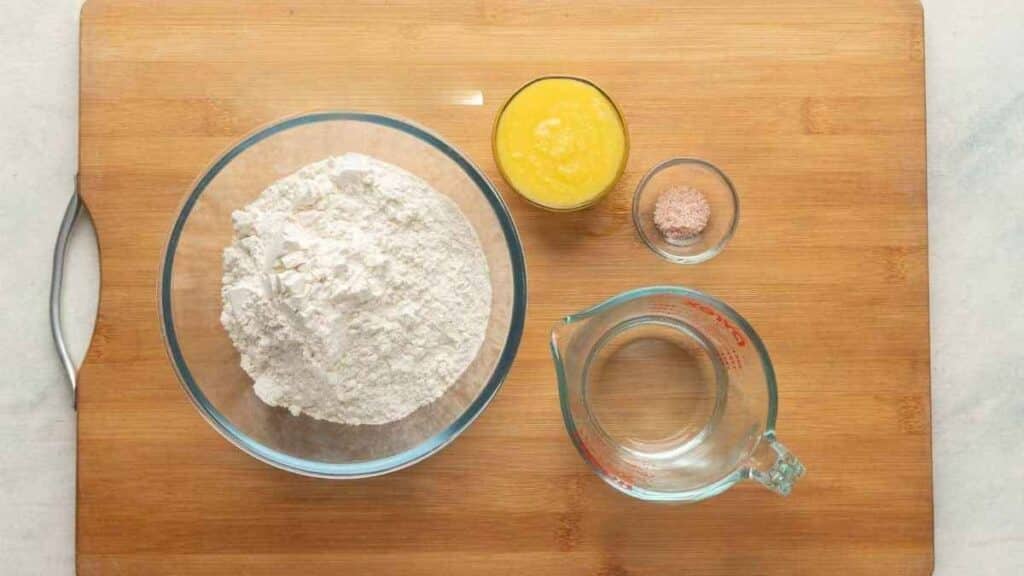
1½ cups all-purpose/plain flour — provides structure and the base for flaky layers
Ajwain seeds:
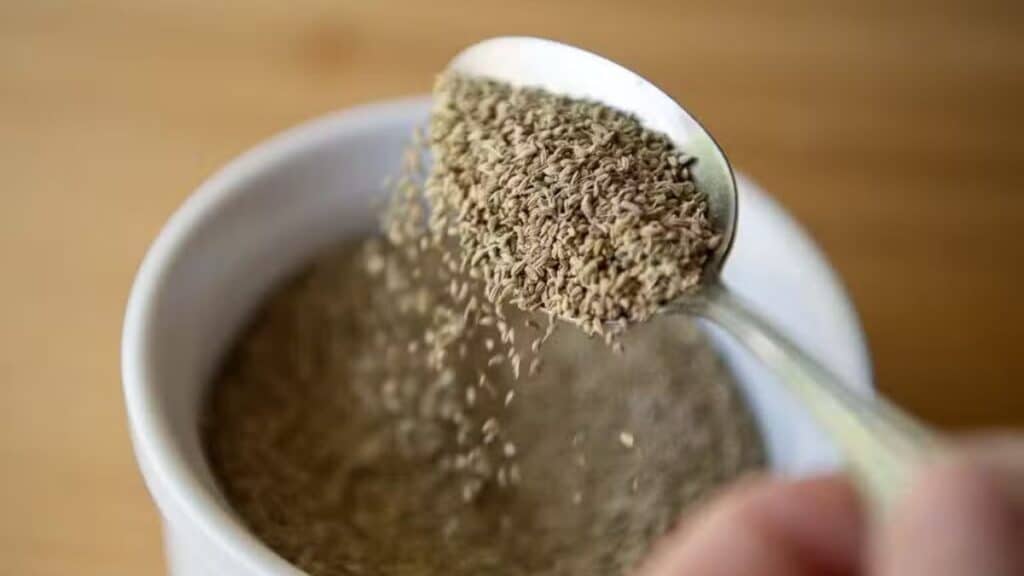
1 teaspoon — an Indian spice with a fragrant, fruity-bitter taste similar to thyme (substitute: dried thyme leaves)
Salt:
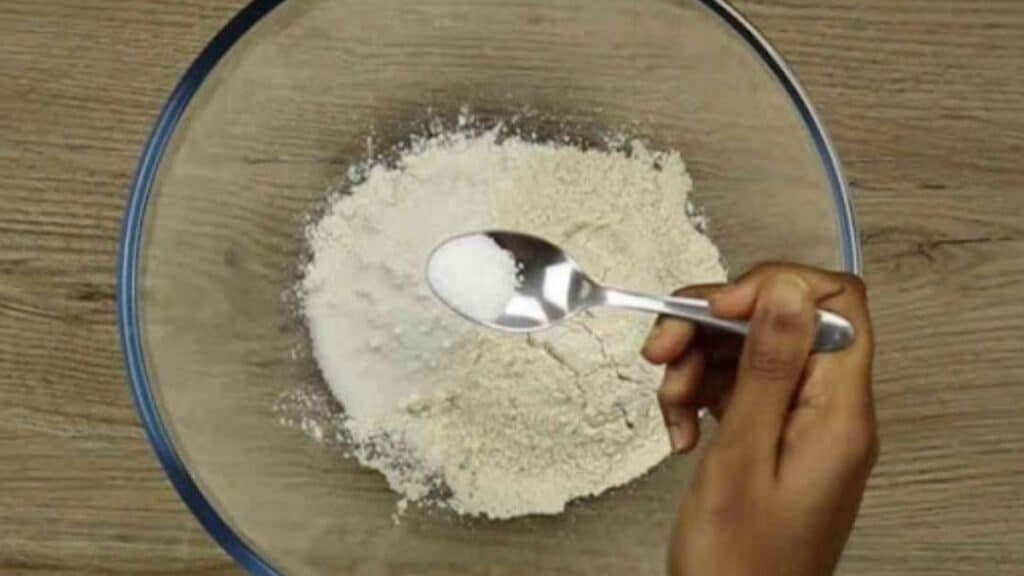
½ teaspoon cooking/kosher salt — balances the richness of the ghee
Ghee or oil:
4 tablespoons melted and cooled ghee, or any neutral vegetable oil — rubbed into flour to create flaky pastry
Water:
6 tablespoons cold tap water — brings the dough together without making it sticky
The ghee is what gives samosa pastry its characteristic light, flaky texture and subtle buttery flavour. You can make your own ghee by simmering butter until the milk solids separate, or buy it from Indian grocery stores. If ghee is unavailable, neutral oil works perfectly well and keeps the recipe vegan.
For the Spiced Potato Filling
Potatoes: 500g (1 lb) starchy or all-rounder potatoes like Sebago, Russet, Yukon Gold, or Maris Piper — boiled until tender and roughly mashed
Vegetable oil: 2 tablespoons — for cooking the spices and aromatics
Cumin seeds: 1 teaspoon — warm, earthy base note
Black mustard seeds: ¼ teaspoon — adds a slight horseradish-like zing without heat
Coriander seeds: ½ teaspoon — citrusy, floral depth
Fresh ginger: 1 tablespoon finely grated — sharp, warming aromatics
Green chilli: 1 tablespoon finely chopped (serrano or cayenne) — provides mild background heat, not overpowering spice
Frozen green peas: ½ cup thawed — adds sweetness and textural contrast
Garam masala: 1 teaspoon — the iconic Indian spice blend with warming, sweet-spicy complexity
Amchur (dried mango powder): ¼ teaspoon — adds tartness and aids digestion (substitute: ½ tsp lemon juice)
For Frying
Vegetable or canola oil: At least 1 litre (1 quart) — neutral high-heat oil for deep frying
You need enough oil to submerge 3-4 samosas at a time comfortably — usually about 5cm (2 inches) depth in your frying pan or pot.
How to Make the Spiced Potato Filling
The filling is where all the flavour lives, so this step deserves care and attention. The goal is moist, well-spiced potato with visible texture rather than a smooth puree.
Start by peeling and halving your potatoes, then placing them in a pot of cold water. Bring to a boil and cook until very soft — about 10 minutes. You should be able to pierce them easily with a fork. Drain and transfer to a plate, then use a fork to roughly mash them. Leave some larger chunks intact. This creates textural interest so every bite is not uniform mush.
Heat 2 tablespoons of vegetable oil in a large skillet over medium heat. Add the cumin seeds, black mustard seeds, and coriander seeds. Stir continuously for about 30 seconds until fragrant and you hear the mustard seeds begin to pop. Do not let them burn — burnt spices taste bitter and acrid.
Add the finely grated ginger and chopped green chilli to the pan. Continue stirring for another minute or so until the chilli softens and the ginger becomes fragrant. The aromatics should fill your kitchen at this point.
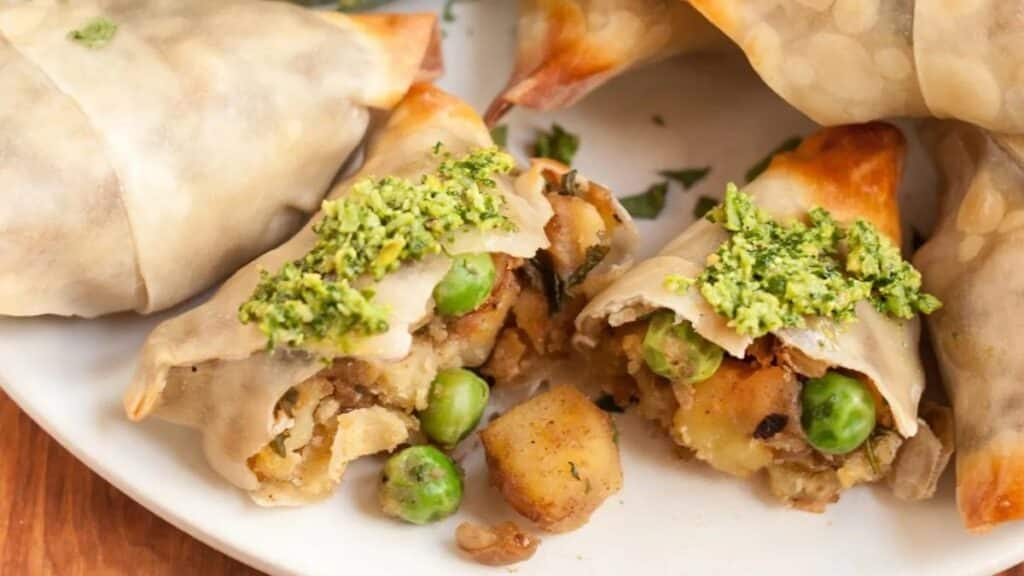
Now add the peas and stir for another 30 seconds to warm them through. Follow with all the ground spices: garam masala, amchur, asafoetida, cumin powder, turmeric, and salt. Cook for a further 30 seconds, stirring constantly. This brief cooking time blooms the spices, intensifying their flavour without burning them.
CHECK MORE ON:Heart Shaped Eggless Red Velvet Cake
How to Make Flaky Samosa Dough
The pastry is what separates a great samosa from a mediocre one. The key technique here — rubbing fat into flour — is the same one used to make British shortcrust pastry, French pâte brisée, and American pie dough. It creates layers of fat between flour particles, which produces that signature flaky, tender texture.
Place the flour, salt, and ajwain seeds into a large mixing bowl and stir to distribute the spices evenly. Pour in the melted (but cooled) ghee or oil. Using your fingertips, rub the fat into the flour until the mixture resembles coarse breadcrumbs. This takes about 2-3 minutes of work. The fat should be evenly distributed throughout the flour with no large clumps of ghee remaining.
Add the cold water and mix with your hands until the dough comes together into a ball. The dough should be soft and pliable but not so sticky that it clings to your hands. If it feels too dry and cracks when you press it, add another tablespoon of water. If it feels too wet and sticky, add a tablespoon of flour.
How to Shape and Fill Samosas — Step by Step
This is the part that intimidates people, but it genuinely is not difficult once you do it a few times. Even wonky, imperfect samosas taste delicious, so do not stress about making them look perfect.
Take one dough ball and place it between two sheets of parchment or baking paper. Do not flour your work surface — flour dries the pastry out. Press the dough ball flat, then roll it out to about 2mm thick (roughly 1/10 inch). The disc should be about 16cm (6.5 inches) in diameter.
Use a small knife to cut the disc in half through the center. You now have two semicircles, which will become two samosas.
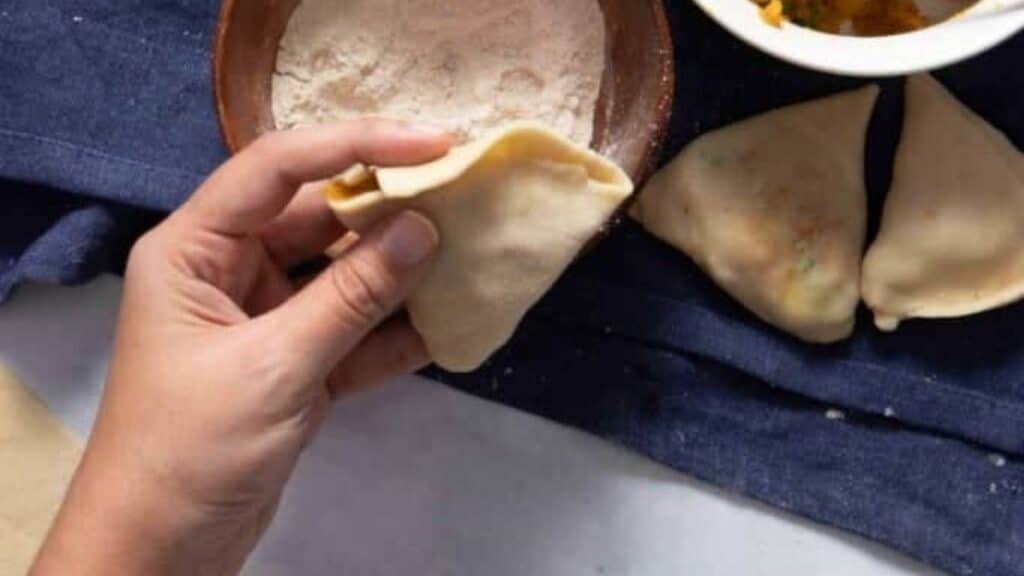
Working with one semicircle at a time, brush water along half of the straight edge you just cut. This acts as glue. Fold one side of the straight edge toward the center, then fold the other side over it, overlapping by about 1cm (2/5 inch). Press the overlapped edges together firmly to seal. You should now have a cone shape.
Make an “O” with your thumb and forefinger, then place the cone inside the O (like an ice cream cone holder). Fill the cone with about 2 tablespoons of the cooled spiced potato filling, pressing it in lightly so it is compact but not overfilled. Leave about 1cm of space at the top of the cone.
Brush water along the open edge of the cone. Press the edges together firmly to seal the samosa completely. Place the sealed samosa seam-side down on your work surface and press gently so the seam folds over naturally. Trim off any excess pastry at the corners. Pinch the top corner to make it pointy and fold in the other two corners for that classic triangular samosa shape.
Place the finished samosa on a plate and cover with a damp kitchen towel while you repeat the process with the remaining dough and filling. You should make 12 samosas total.
The Double-Fry Technique: Less Greasy, Ultra-Crispy Samosas
This is where the recipe deviates from most traditional methods, and it makes all the difference. Standard samosa recipes call for frying at a low temperature (160°C/320°F) for 10+ minutes. This does cook the samosas through and prevents the pastry from bursting, but it also makes them incredibly greasy and can dry out the pastry.
Instead, this recipe uses a double-fry method common in Asian cooking for dishes like Japanese karaage, Chinese honey chicken, and Korean fried chicken. The technique involves an initial fry on low heat to seal and cook the pastry, followed by a second fry on high heat to colour and crisp.
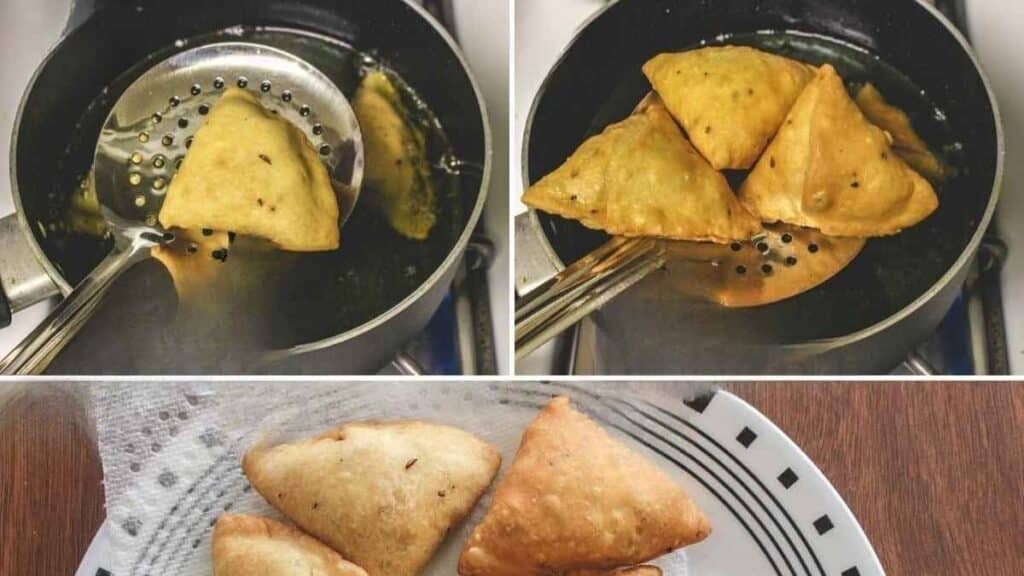
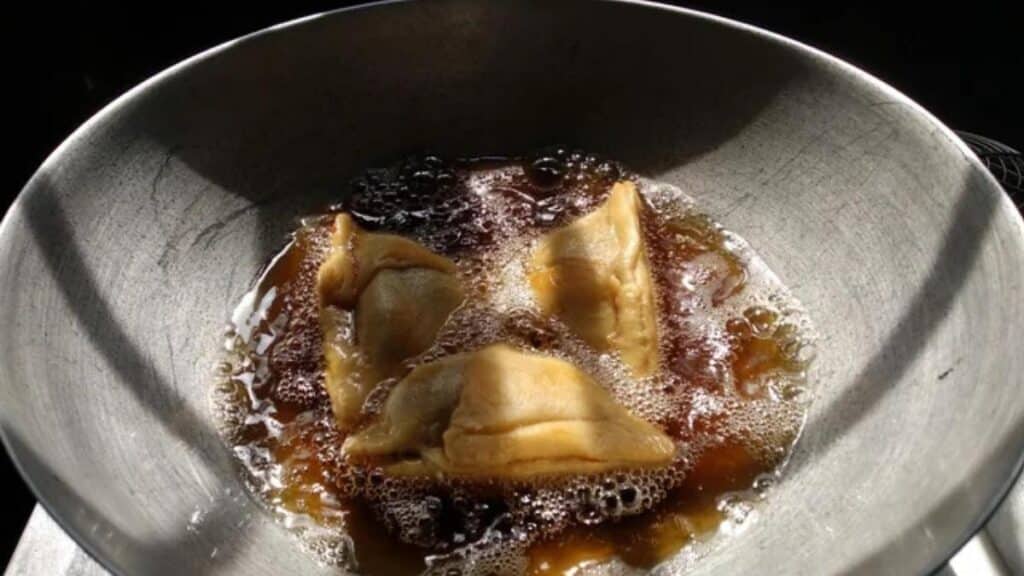
Heat at least 5cm (2 inches) of vegetable or canola oil in a deep pan or pot to 160°C (320°F). Use a cooking thermometer if you have one — temperature control is genuinely important here. If the oil is too hot during the first fry, the pastry will burst and the filling will spill out.
Carefully lower 3-4 samosas into the oil using a slotted spoon or spider. Fry for 3 minutes, turning occasionally so they cook evenly on all sides. The pastry should look cooked but remain pale. Remove the samosas with a slotted spoon and drain on paper towels. Repeat this first fry with all remaining samosas.
Tamarind Dipping Sauce: The Perfect Accompaniment
Tamarind sauce is the classic condiment served alongside samosas at restaurants and street stalls across India. The tart, slightly sweet sauce cuts through the richness of the fried pastry and balances the warm spices in the filling.
To make a simple tamarind dipping sauce, combine tamarind paste (available at Indian grocery stores), water, sugar, cumin powder, and a pinch of salt in a small saucepan. Simmer for 5 minutes until slightly thickened, then cool before serving.
Alternatively, blend plain yogurt with fresh mint leaves and a pinch of salt for a quick raita-style dipping sauce. The cooling, tangy yogurt complements the warm, spiced filling beautifully.
How to Serve Homemade Samosas
Samosas are traditionally served as appetizers or snacks, being the perfect hand-held size and shape. They work beautifully at every kind of gathering — Indian feasts, potlucks, cocktail parties, Iftar during Ramadan, or simply as an afternoon snack with chai.
For an Indian feast, serve samosas alongside palak paneer, naan bread, and a fresh cabbage carrot salad. The combination of crispy samosas, creamy spinach curry, fluffy bread, and crunchy salad creates a meal with incredible variety in texture and flavour.
Samosas are equally delicious hot or at room temperature, which makes them ideal for parties where food sits out for a while. Unlike some fried foods that turn soggy quickly, well-made samosas hold their texture surprisingly well for several hours after frying.
They also pack beautifully for lunch boxes, picnics, or road trips. Wrap cooled samosas individually in parchment paper or foil and store in an airtight container. They will keep at room temperature for 4-5 hours or refrigerated for up to 3 days.
Storage, Freezing, and Reheating Tips
One of the best things about samosas is how well they keep and reheat, making them ideal for meal prep or entertaining.
Refrigerator storage: Cool fried samosas completely, then store in an airtight container in the refrigerator for up to 3 days. Reheat in a 180°C (350°F) oven for about 8 minutes until the pastry crisps up again and the filling is hot.
Freezing cooked samosas: Freeze fully cooled fried samosas in a single layer on a baking sheet until solid, then transfer to a freezer bag. They will keep for up to 3 months. Reheat from frozen in a 180°C (350°F) oven for 12-15 minutes.
Freezing uncooked samosas: This is the best option for maximum freshness. Freeze filled, unfried samosas on a baking sheet until solid, then transfer to freezer bags. Fry directly from frozen using the double-fry method, adding 1-2 minutes to each frying time.
Reheating tips: The oven is always better than the microwave for reheating fried foods. The dry heat crisps the pastry again, whereas the microwave makes it soggy. If you are in a rush, the microwave works for warming the filling, but expect the texture to suffer.
Baking Option (Though Frying Is Better)
While frying produces the best texture and flavour, you can bake samosas if you prefer to avoid deep frying. The trade-off is that the pastry dries out slightly and takes longer to develop colour.
To bake, preheat your oven to 200°C (390°F). Brush or spray the formed samosas generously with oil on all sides. Place on a baking sheet lined with parchment and bake for 25-30 minutes, flipping halfway through, until golden and crispy.
The baked version will never achieve the same ultra-crispy, flaky texture as fried samosas, but it is still delicious and significantly reduces the fat content.
Can I make samosas ahead of time?
Yes. You can prepare and fill the samosas completely, then freeze them uncooked. Fry directly from frozen when ready to serve. Alternatively, fry them completely, freeze, and reheat in the oven before serving.
What potatoes are best for samosa filling?
Use starchy or all-rounder potatoes like Russet, Yukon Gold, Sebago, Maris Piper, or King Edwards. These varieties mash well and absorb the spices beautifully. Avoid waxy potatoes like red or fingerling varieties, which stay too firm.
Can I make samosas without ghee?
Absolutely. Use any neutral vegetable oil in place of ghee. The texture will be equally flaky, though you will miss the subtle buttery flavour ghee provides. For vegan samosas, oil is the better choice anyway.
