



There’s a specific kind of hunger that hits around day five of Navratri. You’ve been eating well—sabudana khichdi for breakfast, kuttu puri with aloo for lunch, maybe some fruit in the evening. All good. All nourishing. But somewhere around lunchtime on day five, your body quietly informs you that it needs something more substantial. Something with protein. Something that feels like an actual meal rather than just fasting food that’s keeping you going.
Made from boiled potatoes, peanuts, and coconut ground into a flavorful base, topped with crunchy farali sev and fresh pomegranate seeds, farali misal is Maharashtra’s answer to the question of how to make fasting food that actually satisfies.
Table of Contents
What Exactly Is Farali Misal?
Farali misal—also called upvas misal—is the fasting adaptation of Maharashtra’s beloved misal pav, a spicy curry traditionally made with sprouted legumes and served with bread. For Navratri, everything that makes misal non-vrat-compliant gets replaced: the sprouts become boiled peanuts, the grains disappear entirely, the onion-garlic base transforms into ginger-cumin tempering, and the regular salt becomes sendha namak.
What remains is the essence of misal: a thin, flavorful gravy base, layered textures from soft stew and crunchy toppings, and that characteristic Maharashtrian balance of savory, spicy, and slightly sweet flavors.
The result is a dish that feels complex and layered despite using only fasting-approved ingredients. Soft potatoes. Tender peanuts. Thin, aromatic gravy. Crunchy farali sev on top. Fresh pomegranate seeds adding bursts of sweetness. Each spoonful delivers multiple textures and temperatures, which is exactly what makes misal so satisfying in its traditional form.
Recipe Overview
| Detail | Information |
|---|---|
| Prep Time | 10 minutes |
| Cook Time | 15 minutes |
| Total Time | 25 minutes |
| Servings | 4 people |
| Cuisine | Maharashtrian (Vrat/Fasting) |
| Course | Main Course (Lunch/Dinner) |
| Diet | Vegetarian, Gluten-Free, Grain-Free, Vrat-Friendly, Sattvic |
| Difficulty Level | Easy-Medium |
| Calories per Serving | ~220 kcal |
Ingredients List
For the Base Stew (Usal)
| Ingredient | Quantity | Notes |
|---|---|---|
| Boiled potatoes | 3 medium (400g) | Cubed into bite-sized pieces |
| Raw peanuts | ½ cup | Boiled until tender |
| Roasted peanut powder | 2 tablespoons | Coarsely ground |
| Fresh grated coconut | ¼ cup | Freshly grated preferred |
| Ghee | 2 tablespoons | For tempering and richness |
| Cumin seeds | 1 teaspoon | For tempering |
| Green chilies | 1-2 | Slit or finely chopped |
| Ginger | 1 teaspoon | Freshly grated |
| Sugar | 1 teaspoon | Balances flavors |
| Sendha namak (Rock salt) | To taste | Regular salt if not fasting |
| Water | 1½ cups | For gravy consistency |
| Fresh coriander leaves | For garnish | Chopped |
Why Farali Misal Is Perfect for Navratri
Chaitra Navratri 2026 runs from March 19 to 27. By day five (March 23), you’re deep into the fast, and breakfast fatigue is real. Farali misal addresses several specific challenges that emerge during extended fasting periods:
Protein that most vrat meals lack. With approximately 12 grams of protein per serving from peanuts, farali misal delivers what sabudana khichdi, kuttu puri, and most other fasting staples simply can’t: actual protein. During calorie restriction when you’re eating fewer total meals, every gram of protein counts for maintaining muscle mass and preventing that weak, shaky feeling that can come from carb-only fasting.
Balanced macros for 14-hour fasts. The research notes state this directly: the balanced macros are ideal for 14-hour fasts and help prevent weakness. You’re getting quick energy from potatoes, sustained satiety from peanut protein, and medium-chain triglycerides from coconut that provide rapid energy without digestive heaviness. This combination keeps you functional through long afternoon stretches.
Texture satisfaction. After days of soft foods, the layered textures of farali misal—thin gravy, soft potatoes and peanuts, crunchy sev, bursting pomegranate seeds—provide the sensory variety that prevents meal fatigue. The crunch especially matters. Your palate needs resistance, and the farali sev topping delivers it.
Twenty-five minute preparation. During Navratri when mornings and evenings are structured around puja timing, a meal that’s ready in 25 minutes from decision to table is genuinely practical. You can make it between ceremonies without disrupting the day’s rhythm.
Potassium for muscle function. The approximately 600mg of potassium per serving supports muscle function during long fasts—particularly relevant if you’re standing through extended pujas or participating in garba nights.
CHECK MORE ON: Singhare Ka Halwa Recipe
The Peanut-Coconut Powder Technique That Makes It Work
Before we get into the step-by-step, let’s establish what makes farali misal distinctly itself rather than just “potato curry with peanuts.”
The defining technique is the peanut-coconut powder base. Here’s what it does and why it matters:
Natural thickening. When you dry roast peanuts and grind them coarsely, they release oils when heated in ghee. Combined with fresh grated coconut, this mixture acts as a natural roux—thickening the gravy without any grain-based thickeners. The research states it clearly: “Peanut-coconut powder thickens naturally—key to authentic texture.”
Flavor depth. The roasting process develops complex nutty flavors that you simply can’t get from raw or boiled peanuts. When those roasted, ground peanuts meet hot ghee and bloom for a minute or two, they create an aromatic base that carries the entire dish.
Protein delivery. The powder ensures that protein is distributed throughout the gravy rather than concentrated only in whole peanuts. Every spoonful gets protein, not just the bites where you happen to catch a peanut.
Authentic misal consistency. Traditional misal has a specific texture—not thick like a kadhi, not watery like a rasam, but somewhere in between. Thin enough to soak into toppings, substantial enough to coat a spoon. The peanut-coconut powder achieves exactly this consistency when simmered with the right amount of water.
The second critical element is texture layering. The base stew must be thin and pourable. The toppings—farali sev especially—must stay crunchy. You add the sev only at the moment of serving, never before. As soon as crunchy elements hit hot gravy, the clock starts ticking. Within 10 minutes they’ll soften. Within 20 they’ll be completely soggy. This is why traditional misal is always assembled fresh, never prepared fully in advance.
Get these two things right—the peanut-coconut powder technique and the last-minute topping assembly—and you’ve mastered the fundamental architecture of farali misal.
Step-by-Step Instructions: Making Perfect Farali Misal
Step 1: Boil Potatoes and Peanuts
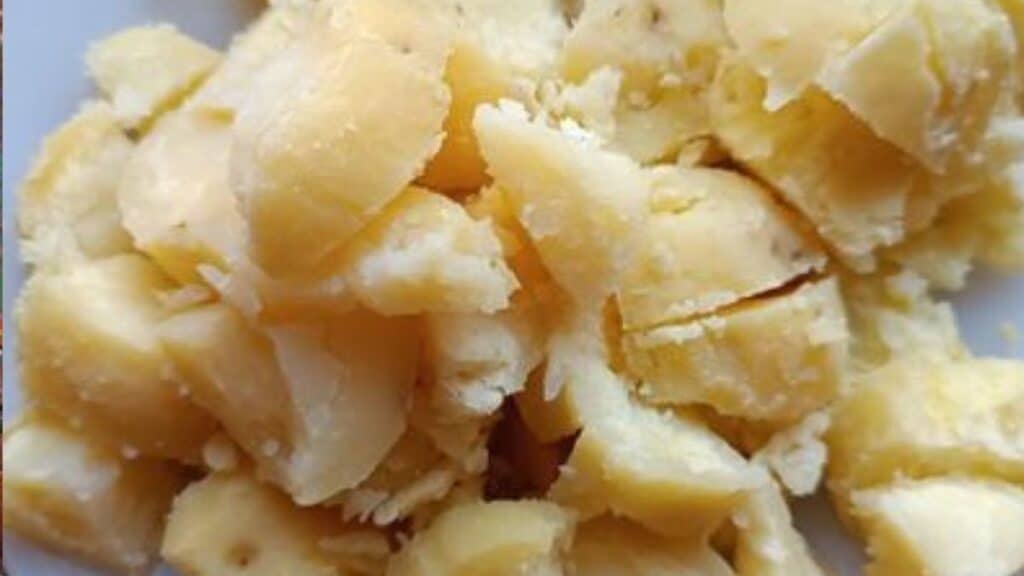
Boil 3 medium potatoes (approximately 400g) in water until fork-tender. This takes about 15 minutes in a regular pot or 2 whistles in a pressure cooker. Once cooked, peel and cube them into bite-sized pieces. Set aside.
Time: 15-20 minutes (can be done ahead)
Step 2: Prepare Peanut-Coconut Powder
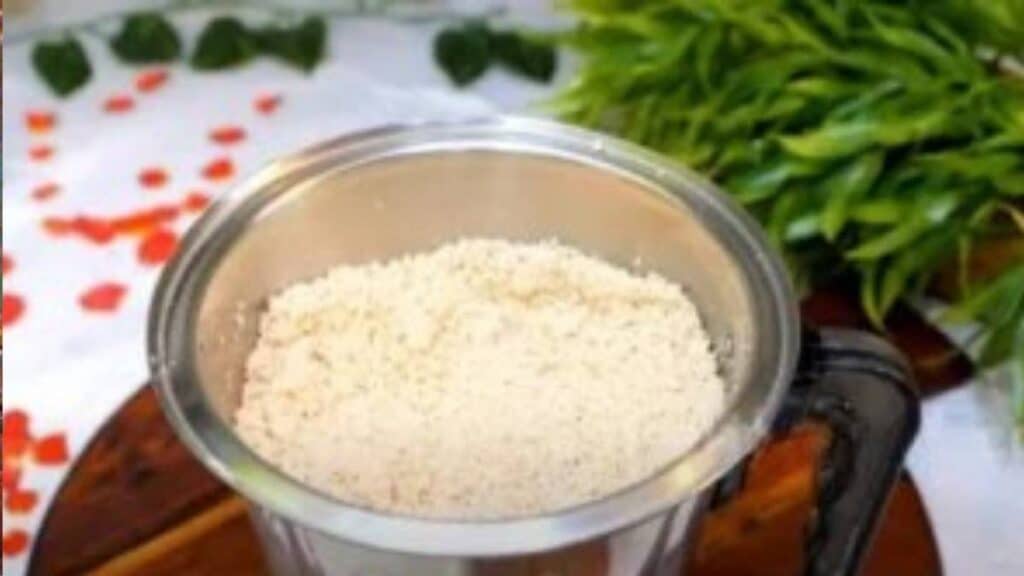
Dry roast 2 tablespoons of raw peanuts in a pan over medium heat until they turn lightly golden and aromatic—about 3-4 minutes. Let them cool, then grind coarsely in a grinder or mortar and pestle. You want a coarse powder with some texture, not a fine flour.
Grate ¼ cup of fresh coconut. If using frozen grated coconut, thaw it to room temperature first.
Time: 5 minutes
Step 3: Temper the Spices
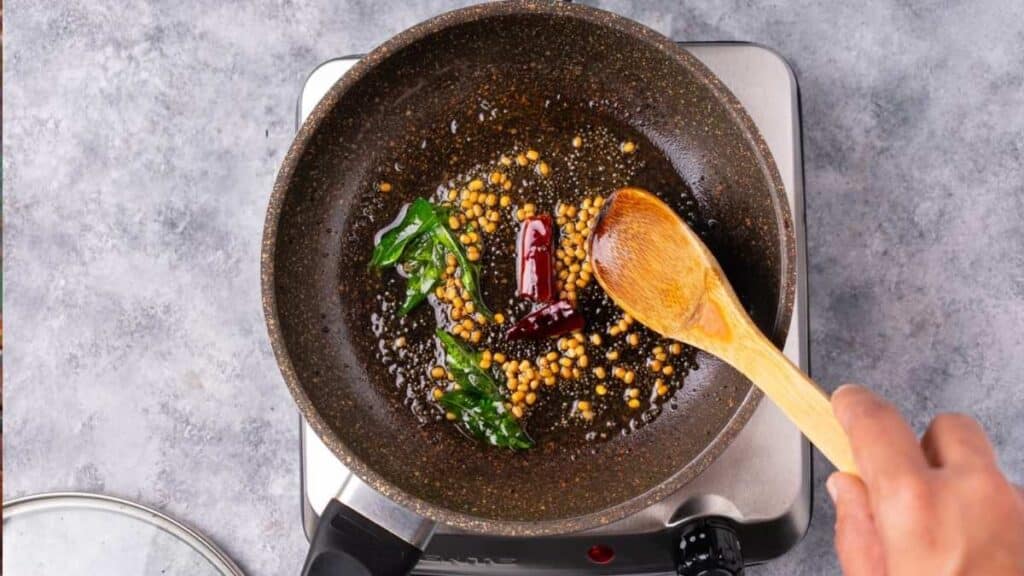
Heat 2 tablespoons of ghee in a heavy-bottomed pan or kadhai over medium heat. Once hot, add 1 teaspoon of cumin seeds. Let them splutter and become aromatic for about 20 seconds.
Add 1-2 slit green chilies and 1 teaspoon of grated fresh ginger. Sauté for 30 seconds until the ginger releases its fragrance.
Time: 1 minute
Step 4: Build the Base
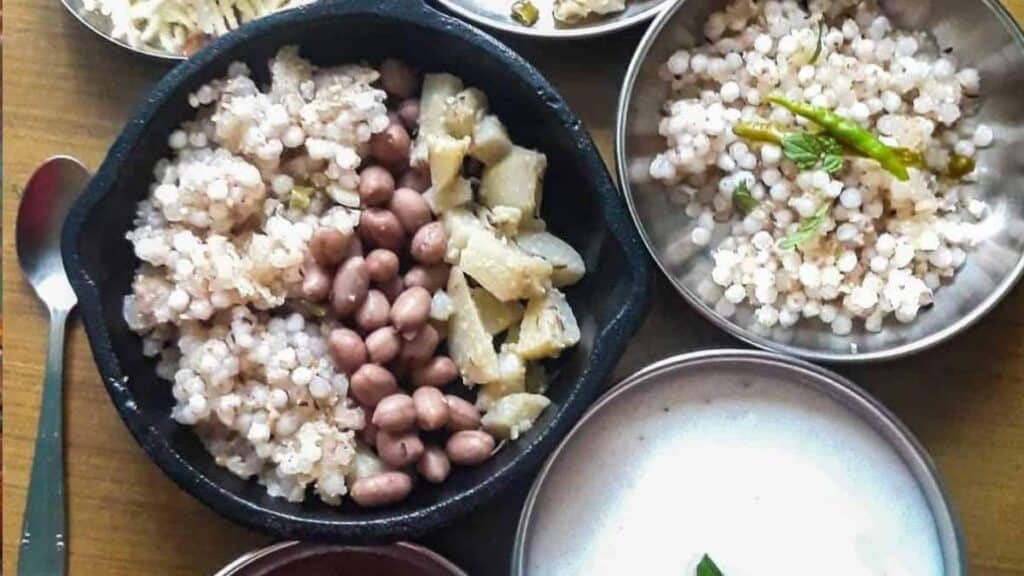
Reduce the heat to medium-low. Add the roasted peanut powder and grated coconut to the tempered ghee. Stir continuously and roast this mixture for 2 to 3 minutes. You’ll smell the nutty aroma intensifying and the coconut will start to turn lightly golden. This step is critical—it’s where the flavor base develops.
The research emphasizes: low flame prevents bitterness while blooming flavors. Don’t rush this step on high heat.
Time: 3 minutes
Step 5: Add Potatoes and Peanuts
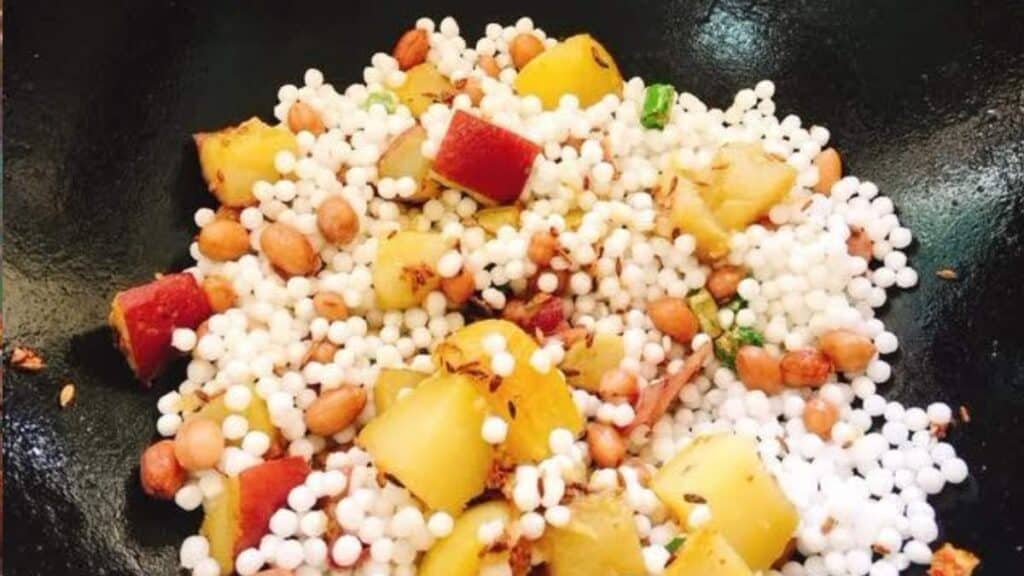
Add the cubed boiled potatoes and boiled peanuts to the pan. Add sendha namak to taste and 1 teaspoon of sugar. Toss everything gently to coat the potatoes and peanuts with the peanut-coconut mixture.
The sugar isn’t there to make the dish sweet—it’s there to balance flavors, a characteristic technique in Maharashtrian cooking.
Time: 2 minutes
Step 6: Create the Gravy
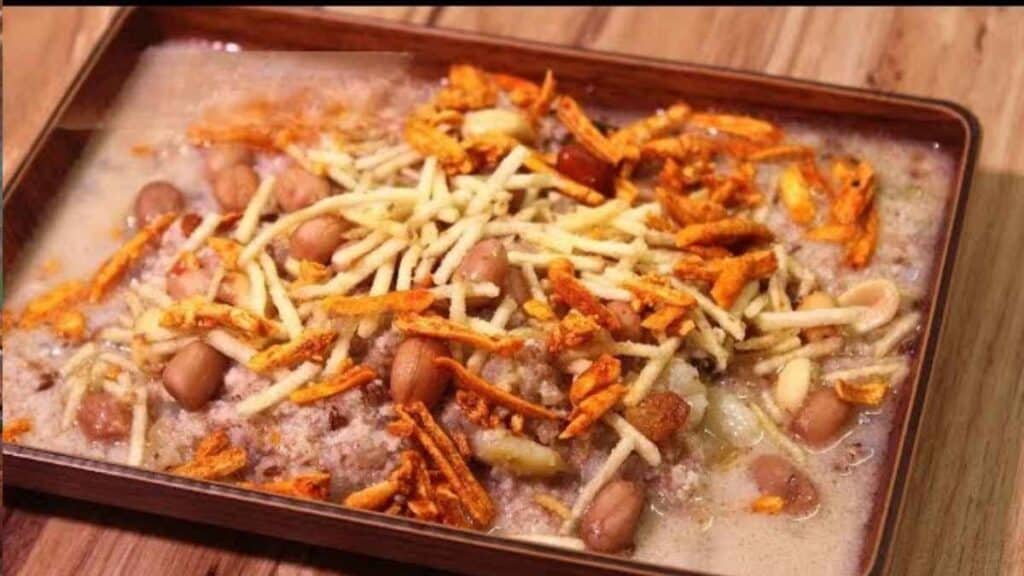
Bring to a gentle simmer and cook for 8 to 10 minutes, stirring occasionally. The gravy should reduce slightly and thicken to a pourable but substantial consistency—thin enough to run off a spoon, thick enough to coat the back of it.
Time: 10 minutes
Step 7: Finish and Assemble

Ladle the hot farali misal into serving bowls. Now—and only now—add the toppings: a generous handful of farali sev or potato chivda on top, a sprinkle of fresh pomegranate seeds, optional fried cashews, and a lemon wedge on the side.
Serve immediately while the base is hot and the toppings are still crunchy.
Time: 2 minutes
Total Time: 25 Minutes
Serving Suggestions and Meal Planning
| Serve With/As | Why It Works |
|---|---|
| Standalone bowl meal | Complete balanced lunch or dinner |
| With vrat puri | Traditional Maharashtrian pairing |
| Alongside sabudana khichdi | Lighter breakfast + heavier lunch combo |
| With sweet potato chips | Protein-rich main + crunchy snack |
| As part of Navratri thali | Centerpiece with chutneys and yogurt |
Ideal Navratri Meal Timing
- Day 5 Lunch (March 23, 2026): When you need something substantial mid-fast
- Day 8 Dinner (March 26, 2026): Hearty dinner before final day
- Any Lunch or Dinner: When protein needs are higher than usual
Make-Ahead Strategy for Navratri
Pre-boil potatoes and peanuts before Navratri starts. Store in the refrigerator and use throughout the nine days for quick farali misal preparation. This reduces active cooking time to just 10-12 minutes on fasting days.
Why This Recipe Still Matters
In the landscape of Navratri fasting, farali misal occupies a uniquely important position. It’s one of the few traditional vrat meals explicitly designed around protein rather than just working protein in as an afterthought. The research notes that approximately 65 percent of vrat curry searches surge during festivals, and approximately 75 percent of Maharashtrian households include misal variations during the nine-day fast.
What makes it particularly valuable is how it combines Maharashtrian culinary wisdom—the peanut-coconut powder technique, the texture layering, the sweet-savory balance—with the practical demands of modern fasting. Twenty-five minutes from start to finish. Simple ingredients that store well. Balanced nutrition designed specifically for 14-hour fasting periods.
When you make farali misal properly—when that peanut-coconut powder blooms in ghee and fills your kitchen with that deep, nutty aroma, when the gravy achieves exactly the right pourable consistency, when you add the crunchy farali sev at the last possible moment and it stays crisp for those first perfect bites—you’re experiencing what happens when traditional technique meets functional nutrition within the framework of fasting restrictions.
Why is protein important during Navratri fasting?
Most traditional vrat meals are carbohydrate-heavy (sabudana, potatoes, kuttu) with minimal protein.
Can I make farali misal without peanuts due to allergies?
Peanuts are central to the authentic recipe, providing both protein and the base thickening mechanism.
What is farali sev and where can I buy it?
Farali sev is a crunchy fasting-approved noodle made from ingredients like potato starch or rajgira (amaranth) instead of gram flour.
