


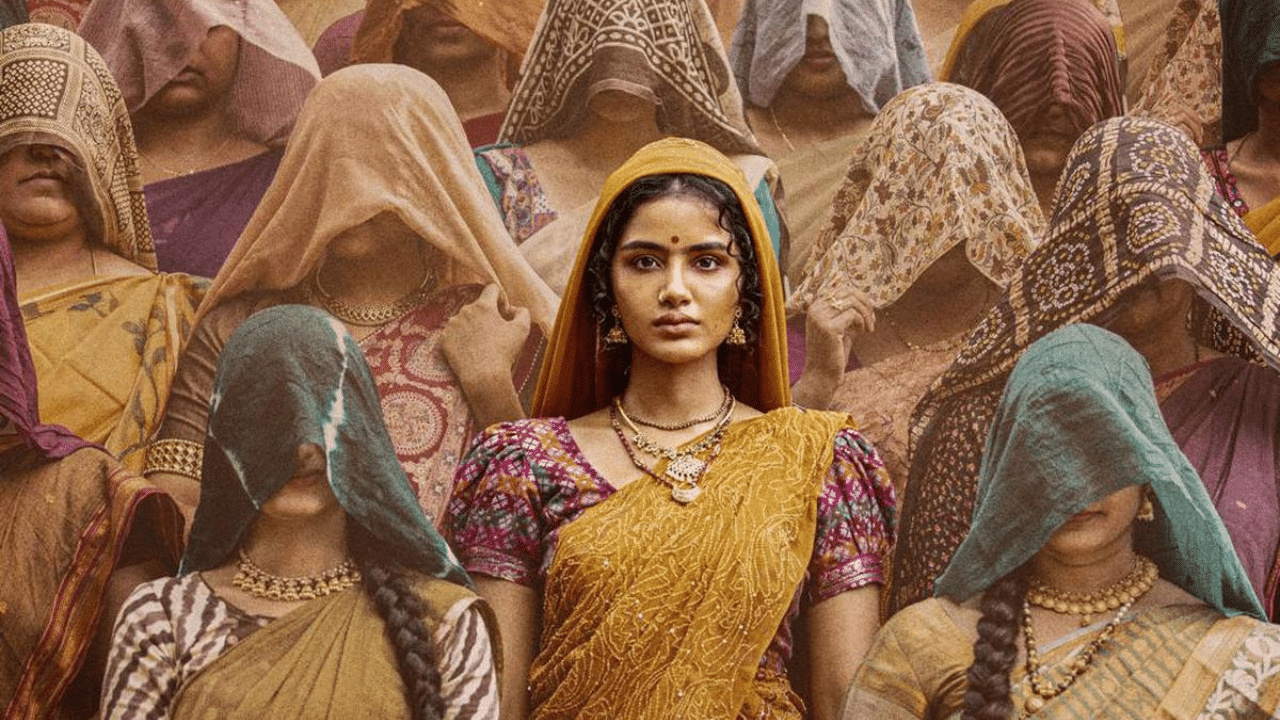
A secluded village bound by rituals. Women draped in veils, their identities buried beneath tradition. A young woman daring to challenge the weight of centuries. Paradha grips you with its raw authenticity, leaving audiences across Telugu and Malayalam cinema wondering: is this story actually rooted in real events?
Indian cinema has always thrived on the intersection of truth and fiction. Think of Laapataa Ladies, which used humor to spotlight gender roles, or Highway, where personal trauma intertwined with liberation. Paradha walks a similar tightrope, blending fiction with the echoes of reality. And that’s what makes the question so fascinating—where does the line blur?
The Real Shadows Behind the Reel Story
So, is Paradha based on a true story? Not exactly.
Director Praveen Kandregula clarifies that the story is set in a fictional village called Padathi, crafted with its own customs, rituals, and myths. Yet, the heart of the narrative stems from a real-life incident in the 1980s that first sparked the director’s imagination.
Much like the haunting stories of real communities grappling with oppressive traditions, Paradha uses its fictional backdrop to reflect universal truths:
- The veil (“paradha”) symbolizes more than just fabric—it represents restrictions, silences, and cultural expectations.
- The struggles of women in the film mirror real battles against patriarchy, echoing voices of empowerment that have risen over decades.
- The themes extend beyond gender—these “veils” apply to men too, highlighting how tradition can confine everyone in unseen ways.
The parallels may not point to a single true story, but they draw heavily from society’s collective memory, making the narrative resonate as if it could have happened.
Check Out: Paradha Movie Review: An Inspiring and Powerful Drama That Redefines Tradition

What Makes Paradha Feel So Real?
The power of Paradha lies in its execution. Director Praveen Kandregula, known for Cinema Bandi and Subham, treats this story with both grandeur and intimacy.
- Shot in authentic locations across Manali and Dharamsala, the visuals immerse us in a world that feels lived-in.
- The decision to avoid CGI and rely on handcrafted sets lends a raw, tactile realism.
- Every frame—whether it’s a woman’s defiant glance or the quiet weight of ritual—carries meticulous attention to detail, amplifying the authenticity.
And then, there’s Anupama Parameswaran. Carrying the film on her shoulders, she breathes life into a character who embodies both vulnerability and courage. Her portrayal captures the silent endurance of countless women while radiating the fiery determination of change.
Is Paradha the Next Big Social Drama?
Telugu and Malayalam cinema often lean towards either commercial spectacle (Salaar, Pushpa 2) or slice-of-life realism. Paradha dares to be different—it creates a fictional universe with the soul of a real protest.
The story doesn’t just stay within its fictional borders; it forces us to confront our own world. How many invisible “veils” govern our lives? How many customs do we follow without question? And at what cost?
So, Is It Based on a True Story?
The truth? Paradha is not directly based on any one real event.
But it is inspired by a real incident from the 1980s, expanded into a fictional narrative that carries universal themes. The “veil” is both literal and metaphorical, making the story a reflection of struggles seen across communities.
It doesn’t need to be tied to a single true story—because it is a mirror to many.
Paradha may not be fact, but it speaks truth. It’s a rare South Indian film that blends scale, symbolism, and social urgency into one powerful narrative. For anyone seeking cinema that makes you think long after the credits roll, Paradha is a must-watch.
