


There’s a specific kind of culinary wisdom that runs through Maharashtrian cooking, and it shows most clearly in katachi amti. Not in what it adds, but in what it refuses to waste. The water you drained from cooking chana dal for puran poli—that starchy, protein-rich liquid Gudi Padthat most cuisines would discard—becomes the base of the curry that balances the entire Gudi Padwa thali.
Katachi amti is a thin, spiced, sweet-sour curry made from that reserved chana dal stock (called “kat” or “dalcha pani”), enriched with roasted coconut masala, tamarind for tang, jaggery for sweetness, turmeric for color, and the essential goda masala that defines Maharashtrian flavor.
Table of Contents
What Exactly Is Katachi Amti?
Katachi amti is a thin, spiced Maharashtrian curry traditionally prepared from the strained cooking water of chana dal used in puran poli. The name itself is instructive: “katachi” means “of the draining” or “leftover,” “amti” means a thin dal-based curry. Together they describe exactly what it is—the curry made from what was left over.
But calling it “leftover curry” undersells what happens here. This is zero-waste cooking elevated to art. The dal stock—starchy, protein-rich, already flavored from cooking the dal—becomes the foundation for a curry that’s essential rather than incidental. Enriched with roasted coconut masala paste, balanced with tamarind and jaggery for sweet-sour complexity, spiced with goda masala (the signature Maharashtrian spice blend), and finished with a crackling tempering of mustard, cumin, and curry leaves, katachi amti transforms byproduct into centerpiece.
The flavor profile is complex: tangy from tamarind, subtly sweet from jaggery, warmly spiced from the roasted coconut masala and goda masala, aromatic from the tempering. The research describes the cultural significance: “Sweet-sour balance symbolizes life’s dualities welcomed in the New Year.”
CHECK MORE ON:Sweet Potato Chips Recipe: The Crispy Snack That’s Actually Good for You
Recipe Overview
| Detail | Information |
|---|---|
| Prep Time | 10 minutes |
| Cook Time | 10 minutes |
| Total Time | 20 minutes (after dal stock is ready) |
| Yield | 4 servings |
| Servings | 4 people |
| Cuisine | Maharashtrian |
| Course | Curry, Accompaniment |
| Diet | Vegetarian |
| Difficulty Level | Easy-Medium |
| Calories per Serving | ~120 kcal |
Ingredients List
Base
| Ingredient | Quantity | Notes |
|---|---|---|
| Chana dal stock | 3 cups | Reserved from puran poli dal preparation |
For Coconut Masala Paste
| Ingredient | Quantity | Notes |
|---|---|---|
| Dry coconut (kopra) | 3 tablespoons grated | Fresh coconut works but dry is traditional |
| Sesame seeds | 1 tablespoon | White sesame |
| Cinnamon stick | ½ inch piece | |
| Green cardamom pods | 2 pods | |
| Cloves | 3-4 whole | |
| Black peppercorns | 6-8 |
The research emphasizes: “The thin structure supports digestion better than thick lentil curries during festive feasting” and “Tamarind’s tartness cuts sweetness and heaviness instantly.”
Why Katachi Amti Is Essential for Gudi Padwa
Zero-waste tradition. The research states the foundational principle: “It exemplifies Maharashtrian culinary efficiency—transforming byproduct into centerpiece curry.” When you make puran poli, you cook approximately 1½ cups of chana dal, then drain and mash it for the filling. That draining liquid—approximately 3 cups—contains flavor, protein, and minerals from the dal. Using it for katachi amti means zero waste and maximum efficiency.
Digestive function. The research emphasizes: “Its acidity (tamarind) and light protein content counter festival carb overload.” After eating rich, sweet foods, your digestive system benefits from something tangy and light. The tamarind in katachi amti stimulates digestive enzymes. The thin consistency doesn’t burden an already full stomach.
Quick preparation. The research notes: “20-minute finishing time” and “Uses existing dal stock (no extra cooking needed).” On Gudi Padwa morning when you’re managing multiple dishes, a curry that takes 20 minutes from dal stock to table is genuinely practical.
Cultural completeness. The research documents: “80% of festive thalis include amti” and notes a “3:1 preference for home-cooked vs restaurant versions”—meaning families prefer to make it themselves despite its availability. This preference suggests katachi amti carries meaning beyond just taste—it’s part of the ritual of Gudi Padwa preparation.
CHECK MORE ON: Chhena Kheer Recipe: Protein-Rich Dessert
The Two Technical Foundations of Authentic Katachi Amti
Before we get into the step-by-step, let’s establish the two non-negotiable foundations that separate authentic katachi amti from approximations:
1. High-quality chana dal stock is essential for authenticity
The research is emphatic: “The dish depends entirely on high-quality dal stock from puran poli preparation—this stock defines authenticity.”
Here’s what this means: Katachi amti is not just “any thin dal curry.” It’s specifically the curry made from the cooking water of chana dal that was cooked for puran poli. That stock has a particular flavor and consistency—slightly starchy, mildly sweet from the dal’s natural sugars, already containing some dissolved dal particles that give it body.
2. Roasted coconut masala and goda masala are essential for flavor
The research emphasizes two critical flavor components:
Roasted coconut: “Roasting coconut enhances flavor depth significantly compared to raw grinding.” The 3 minutes of roasting dry coconut with whole spices before grinding transforms the flavor from one-dimensional sweetness to complex, nutty depth with aromatic warmth.
Goda masala: “Goda masala is non-negotiable for authenticity; garam masala alters the regional flavor profile.” Goda masala is Maharashtra’s signature spice blend—slightly sweet, warmly spiced, containing ingredients like dried coconut, sesame seeds, coriander, cumin, and other spices. It’s what makes katachi amti taste Maharashtrian rather than generically Indian. The research is clear: “Goda Masala Substitute? Combination of garam masala and coconut powder approximates but does not replicate flavor.”
Step-by-Step Instructions: Making Perfect Katachi Amti
Step 1: Prepare the Dal Stock
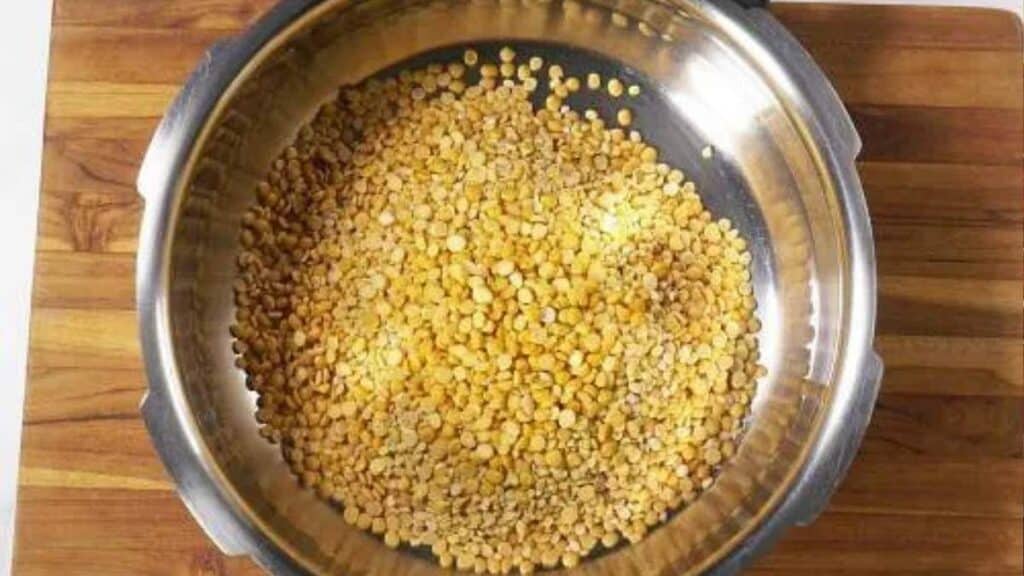
This step is already complete if you’ve made puran poli. When you cooked the chana dal for the puran filling, you drained approximately 3 cups of cooking liquid. This is your dal stock.
Time: Already complete if making with puran poli
Step 2: Roast the Coconut and Spices
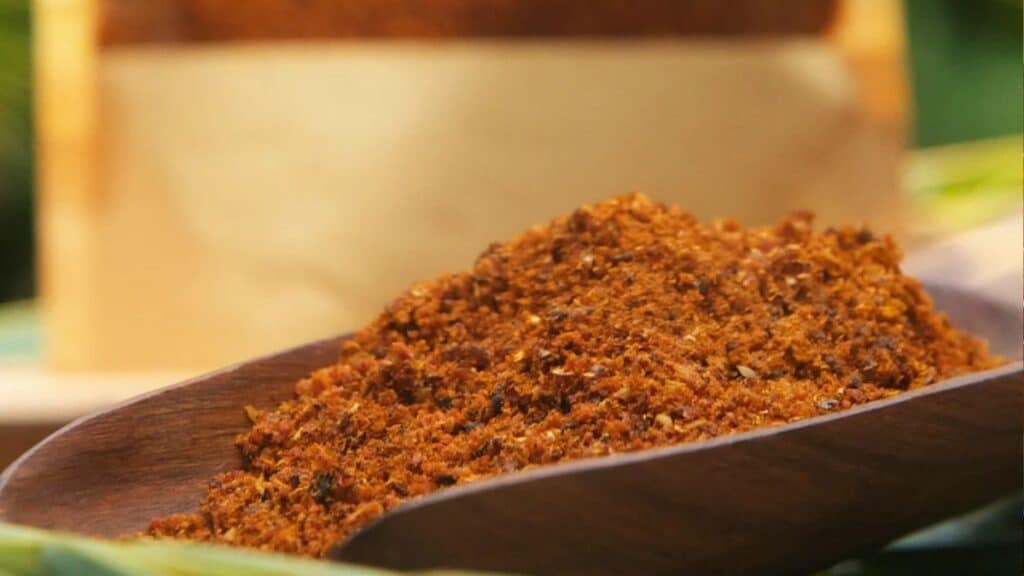
Roast for approximately 3 minutes, stirring continuously, until the coconut turns light golden and everything becomes aromatic. The research specifies: “3 minutes for coconut” and “1 minute for whole spices”—meaning you can add spices after the coconut has roasted for 2 minutes if you want to prevent them from burning.
Time: 3-4 minutes
Step 3: Grind the Coconut Masala
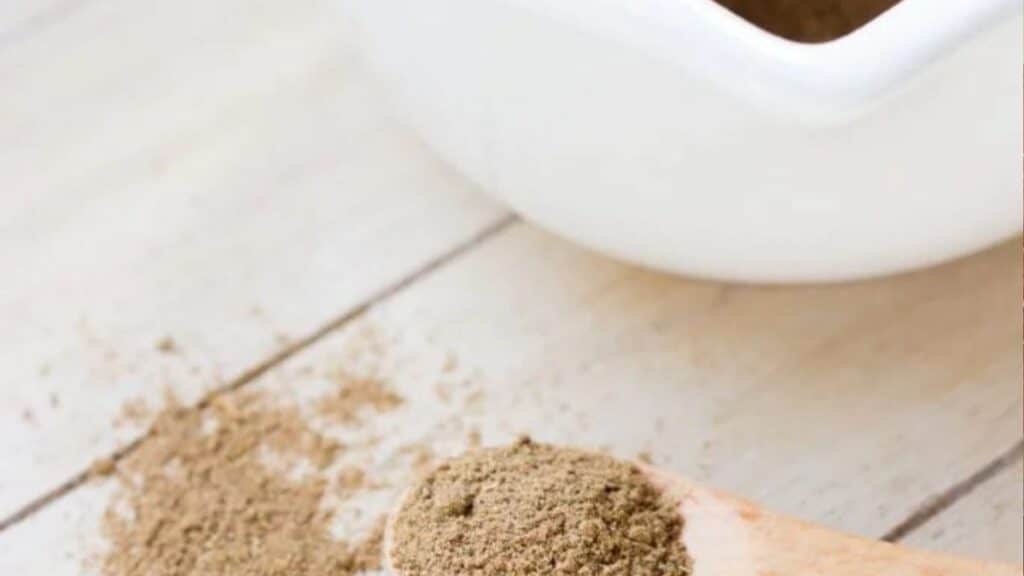
Transfer the cooled roasted coconut and spices to a blender or wet grinder. Add minimal water—just enough to grind into a smooth paste. The research specifies: “Grind with minimal water for smooth paste.”
You want a thick, smooth paste, not a watery slurry. Set aside.
Time: 2-3 minutes
Step 4: Simmer the Dal Stock with Masala
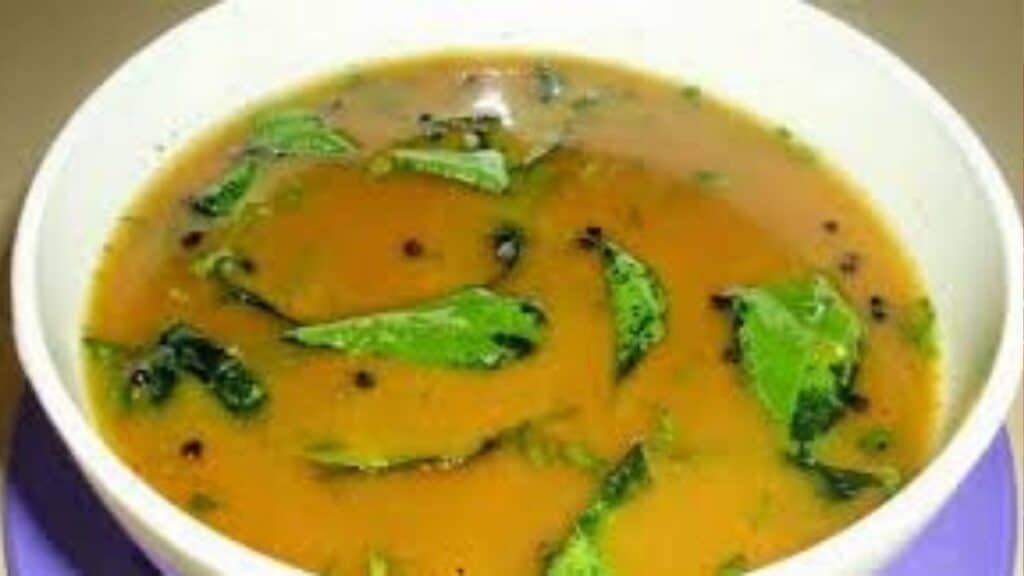
Add:
- The ground coconut masala paste
- 1 teaspoon Kashmiri chili powder
- ½ teaspoon turmeric powder
- Salt to taste
Stir well to combine. Let simmer for 3-4 minutes.
Time: 4 minutes
Step 5: Add Goda Masala
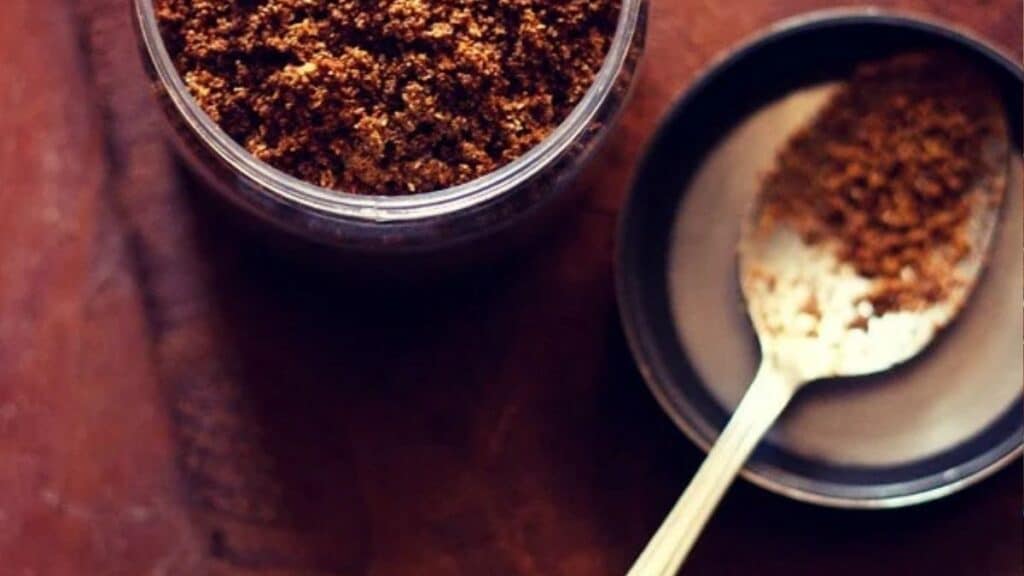
Add 1 teaspoon of goda masala. Stir to incorporate. Let simmer for 1 more minute to allow the goda masala to bloom in the hot curry.
Check consistency—the curry should be thin and soup-like. The research warns: “Too Thick? Add ½ cup hot water.” If it’s thicker than you want, thin it with hot water.
Time: 1 minute
Step 6: Prepare the Tempering
When hot, add in this order:
- ½ teaspoon mustard seeds
- ½ teaspoon cumin seeds
- Pinch of asafoetida (hing)
- 8-10 fresh curry leaves
Time: 1 minute
Step 7: Garnish and Serve
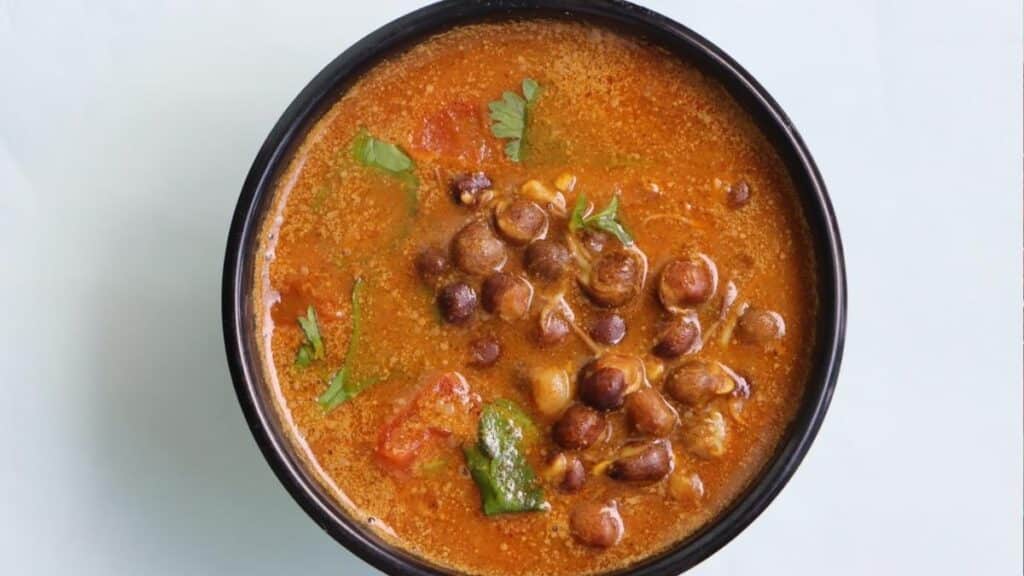
Turn off heat. Garnish with fresh chopped coriander leaves.
Total Time: 20 Minutes
Equipment Needed
| Equipment | Purpose |
|---|---|
| Heavy-bottomed pan | For simmering curry |
| Small dry pan | For roasting coconut and spices |
| Blender or wet grinder | For grinding coconut masala |
| Small tempering pan (tadka pan) | For tempering spices |
| Ladle | For serving |
Making It Your Own: Regional Variations
| Variation | What Changes | Regional Origin |
|---|---|---|
| Kolhapuri Version | Add kala masala for deeper spice | Kolhapur region; more intense |
| Tomato Addition | Add 1 chopped tomato for extra tang | Modern variation; more acidity |
| Thickened Version | Add some cooked dal solids back | Creates slightly thicker consistency |
| Reduced Water | Use less dal stock for concentrated flavor | Used as topping poured directly over poli |
The research notes: “Consistency determines function—thin for dipping, thick for pouring.”
Make-Ahead Strategy for Gudi Padwa
Day Before (March 28):
- Make puran poli and reserve dal stock
- Roast and grind coconut masala
- Refrigerate both separately
Festival Day (March 29):
- Simmer stock with masala
- Add sweet-sour balance
- Fresh tempering just before serving
The research confirms: “Dal stock can be prepared a day prior with puran; final assembly best done fresh on festival morning” and notes that “Flavor improves after resting overnight.”
The research also advises: “Always add fresh tempering after reheating”—meaning if you reheat leftover katachi amti, make a fresh tempering to restore aroma.
Why This Recipe Still Matters
In the landscape of Gudi Padwa celebrations, katachi amti represents something quietly revolutionary: the elevation of what would be waste into what’s essential. The research documents that approximately 95 percent of puran poli meals include katachi amti and approximately 80 percent of festive thalis feature it—these aren’t just interesting statistics, they’re evidence of a dish that’s culturally non-negotiable.
What makes it culinarily significant is the zero-waste principle it embodies. The research states: “It exemplifies Maharashtrian culinary efficiency—transforming byproduct into centerpiece curry.” In an era increasingly concerned with food waste and sustainability, katachi amti has been doing this for generations—using every part of the ingredient, wasting nothing, transforming “leftover” into “essential.”
So save that dal stock. Roast that coconut properly. Don’t skip the goda masala. Maintain that soup-thin consistency. Pour the tempering hot and sizzling.
Because some recipes aren’t just about taste. They’re about not wasting. About balance. About understanding that celebration requires both sweetness and tang, both richness and restraint. And katachi amti, thin and tangy and made from what others might discard, embodies all of that.
Gudi Padwachi Shubhechha! (Happy Gudi Padwa!)
Can I make katachi amti without having made puran poli?
The research addresses this directly: “No Dal Stock? Fresh chana dal + water can approximate but lacks festival authenticity
Why is goda masala essential? Can I use garam masala instead?
The research is clear: “Goda masala is non-negotiable for authenticity; garam masala alters the regional flavor profile.”
My katachi amti is too tangy. How do I fix it?
The research provides the solution: “Too Tangy? Reduce tamarind; increase jaggery slightly.”
