


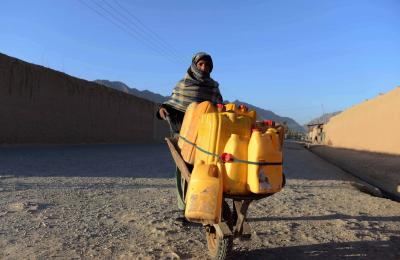
As per the United Nations Office for the Coordination of Humanitarian Affairs (OCHA), around 16 million individuals in Afghanistan will need access to clean water and sanitation services by 2026. The OCHA highlighted that water scarcity is posing health risks to children and impacting daily life in the country, leading to the adoption of coping mechanisms due to worsening conditions. Afghanistan has been grappling with recurring droughts, insufficient water infrastructure, and poverty, resulting in millions facing challenges in accessing adequate water for various needs, including drinking, household use, and agriculture.
Humanitarian agencies have pointed out that climate-related shocks are exacerbating the struggles of vulnerable communities in Afghanistan. The OCHA’s recent statement underscores the critical humanitarian challenge of ensuring safe drinking water and sanitation in the country, especially amidst economic difficulties, food insecurity, and a reduction in international aid. The limited funding has constrained the expansion of water, sanitation, and hygiene services in various regions, further intensifying the ongoing humanitarian crisis.
The OCHA’s concern over the nutrition crisis in Afghanistan has escalated, with a projection that 3.7 million children will confront severe malnutrition in 2026. Urgent funding is deemed essential to mitigate the situation and prevent irreversible harm, according to the OCHA. The nutrition scenario in Afghanistan has rapidly deteriorated this year, with worsening wasting levels observed in the majority of provinces compared to the previous year. The crisis is unfolding earlier than usual, indicating a deepening emergency before the peak wasting season from July to September.
