
Close Menu
  • Indian Festivals 2026
  • Movie & OTT Releases This Week
  • News
  • Entertainment
  • NRI Life
  • Research
  • Advertise with us
Facebook X (Twitter) Instagram YouTube
  • Download Indian Community App
  • Advertise Here
Facebook X (Twitter) Instagram
Indian CommunityIndian Community
Trending
  • Onekdin Por Review (2026): A Quietly Powerful Bengali Drama That Heals the Heart
  • Carry On Jatta 4 Review (2026): Punjabi Comedy’s Most Beloved Franchise Returns With Even Bigger Laughs
  • Moda Kavida Vaatavarana (2026) Review: Suni Weaves a Hauntingly Beautiful Monsoon Drama That Lingers Long After the Credits
  • UYiR Movie Review (2026): Roshan Mathew Delivers a Gripping Performance in This Malayalam Crime Thriller
  • Tera Mera Nata Review (2026): A Heartfelt Tale of Love, Family, and Sacrifice
  • Heartin Movie Review: Sananth and Madonna Sebastian Deliver a Visually Stunning Tamil Romance Worth Your Time
  • Risk – A Game of Youth Review: A Gritty Crime Drama That Takes Bold Chances With Youth and Ambition
  • Balaramana Dinagalu Review: Vinod Prabhakar’s Gritty Gangster Drama Is a Compelling Ride Worth Watching
  • Indian Festivals 2026
  • News
    • National
    • International
    • Entertainment
    • Achievements
    • Scam Alerts
    • Business
    • Health & Medicine
    • Science & Technology
    • Sports
  • Entertainment
  • Latest Movie Releases
    • Latest OTT Releases
  • NRI Life
  • India & Culture
  • Health & Wellness
  • Research
Indian CommunityIndian Community
Home » News » National
National

19th-century Naduvattam jail in TN to be converted into museum, eco-retreat

Indian Community Editorial TeamBy Indian Community Editorial TeamSeptember 21, 20253 Mins ReadNo Comments Add us to Google Preferred Sources
19th-century Naduvattam jail in TN to be converted into museum, eco-retreat
Share
Facebook Twitter LinkedIn Pinterest Email

Chennai, Sep 21 (IANS) A 19th-century colonial prison in the Nilgiris, once built to confine convicts for deployment on British cinchona plantations, is set to be reborn as a museum and eco-tourism destination.

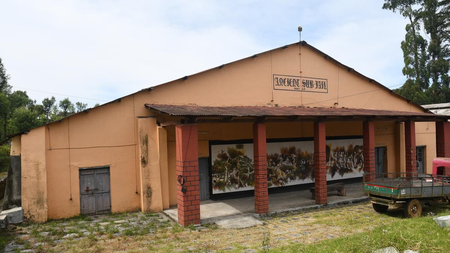
The Naduvattam jail, constructed in 1865, has long stood abandoned in the misty hills, its crumbling walls bearing silent witness to a forgotten, painful chapter of history. The plan aims to turn the decaying structure into a centrepiece of cultural tourism while also creating opportunities for nature-based recreation.

The site will feature eco-friendly cottages, meditation spaces, landscaped walkways, an amphitheatre, tea gardens, trekking and birding trails, and guided heritage tours. In addition to restoring the old barracks, the project will weave together history, ecology and visitor experience, ensuring that the prison’s legacy is presented in an engaging and informative way.

Extensive documentation work is currently underway, with researchers delving into archival records to trace the layered past of the prison. The goal is to create an interactive museum that not only displays the structure’s architectural details but also narrates the story of the men who were incarcerated there and forced into labour under colonial rule.

The Naduvattam jail predates the notorious Cellular Jail in the Andamans and represents one of the earliest experiments in using penal labour for plantation work in South India.

When the British introduced cinchona to the Nilgiris in the mid-19th century, it was seen as crucial for producing quinine, a drug considered indispensable in the fight against malaria.

Recruiting voluntary labour proved difficult, as local communities and tribal groups were reluctant to work on the plantations. In response, the colonial administration turned to convict labour. Prisoners transported from different parts of the Madras Presidency were housed within the Naduvattam facility and marched out daily to toil in the rugged plantations, where they endured long hours of strenuous work.

For decades, the barracks echoed with the clang of iron chains and the weariness of men bound to tasks not of their choosing. Over time, as the need for convict labour diminished and the prison was abandoned, the once-feared site gradually slipped into obscurity.

Today, its weather-beaten red walls and moss-covered courtyards stand as relics of a complex past. The proposed eco-tourism and museum project seeks to revive this forgotten landmark, giving it a new role as both a memorial to its colonial history and a gateway to the natural beauty of the Nilgiris. If implemented, it promises to offer visitors a blend of history, culture, and ecology, ensuring that a site once associated with hardship is preserved as a space for reflection and renewal.

–IANS

aal/dpb

Add us to Google Preferred Sources
Indian Community Editorial Team

The Indian Community Editorial Team curates, verifies, and publishes stories that matter to Indians worldwide. From culture and community to business and innovation, our mission is to spotlight voices, ideas, and events that bring our global community closer together. Have news or a story to share? Submit it to us at [email protected].

Add A Comment

Violent Clash Erupts in Jaipur During Protest for Reservation

July 1, 2026

Gujarat Tops in Tuberculosis Improvement Rankings for 2025

July 1, 2026

Gujarat Police Enhance Monsoon Preparedness Measures

July 1, 2026

Amateur Radio Operators Struggle to Reunite Mentally Challenged Woman with Family

July 1, 2026
  • Facebook
  • Twitter
  • Pinterest
  • Instagram
About Us
  • About Us
  • Contact Us
  • Terms of Service
Corporate
  • Download Indian Community App
  • Advertise Here
Facebook X (Twitter) Instagram
  • About Us
  • Contact Us
  • Terms of Service
© 2026 Designed by CreativeMerchants.

Type above and press Enter to search. Press Esc to cancel.