


America is grappling with the issue of paid family and medical leave, which is common in many developed nations but lacks a national standard in the United States. The absence of a federal law guaranteeing paid leave has sparked discussions on Capitol Hill. While the Family and Medical Leave Act provides rules for unpaid time off, paid leave benefits are not federally mandated.
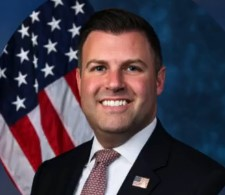
Congressman Ryan Mackenzie highlighted the disparity, noting that only 27% of private sector workers in the US have access to paid family leave benefits through their employers. This statistic underscores the challenge faced by many American workers who do not have the assurance of paid leave despite the country’s economic status. The debate revolves around whether the US should establish a universal paid family leave policy or continue with varied state and employer approaches.
The issue of paid leave is particularly critical for over 100 million American workers who lack guaranteed paid family and medical leave. Access to paid leave is described as uneven, with low-wage and part-time workers facing greater challenges. Calls for a strong federal standard on paid family leave have been made to address the disparities and uncertainties faced by workers nationwide.
Witnesses at a hearing highlighted the complex landscape of paid leave in the US, which includes state programs, private insurance options, and federal regulations. The varying rules across states create a need for greater interstate coordination to streamline the process for both workers and employers. The decentralized nature of paid leave benefits in the US underscores the challenges faced by individuals based on their location and employer policies.
Advocates emphasize that paid leave is essential not only for new parents but also for individuals requiring medical leave or caring for family members. The current lack of access to paid family leave for a significant portion of the workforce underscores the need for comprehensive policy changes. Proposals for paid leave legislation are being scrutinized, with calls for stronger job protections and broader coverage to support American workers.
