


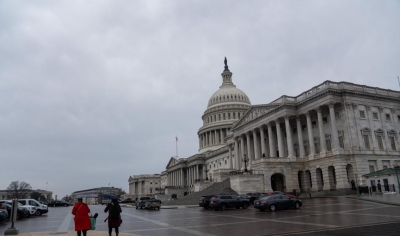
Top American lawmakers engaged in a heated debate regarding free speech and academic freedom at US college campuses, showcasing deep political divisions on whether universities are stifling dissent or facing increased government intrusion. Republicans expressed concerns about intolerance on campuses, citing survey data and incidents, while Democrats argued that the issue is exaggerated and could lead to interference in higher education. Congressman Burgess Owens emphasized the importance of exposing students to diverse viewpoints but highlighted that many students feel unable to express themselves freely.
Democrats emphasized the need to balance free speech protections with civil rights obligations. Alma Adams, the ranking member, stressed that while every student is entitled to First Amendment protection, it is not absolute. She called for universities to prevent discrimination and create a supportive learning environment, emphasizing the importance of maintaining a balance in addressing these issues.
Witnesses presented conflicting perspectives on the state of affairs at college campuses. Tyson Langhofer from Alliance Defending Freedom accused public universities of infringing on freedoms by limiting speech and discriminating against certain student groups. He cited instances where students were penalized for expressing conservative views and religious beliefs. Langhofer also criticized universities for failing to address disruptions during events, allowing for violent protests and speaker shutdowns.
Emerson Sykes from the American Civil Liberties Union cautioned against government intervention in campus speech, highlighting the potential censorship risks. He raised concerns about the imposition of curricular restrictions in several states, which could impede academic freedom by limiting educational content. Sykes warned that such measures might constrain teaching and learning opportunities, undermining the core principles of academic freedom.
Lawmakers reiterated the importance of finding a balance between safeguarding free speech and maintaining safe and inclusive campus environments. Sykes emphasized the necessity of establishing consistent and fair First Amendment guidelines that apply universally, irrespective of differing viewpoints.
