


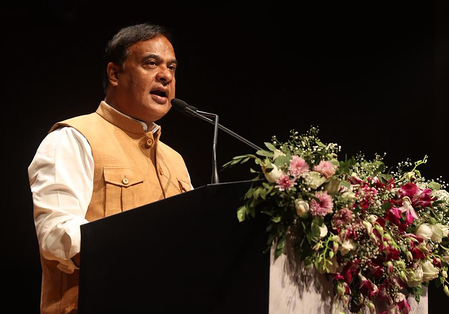
Assam Chief Minister Himanta Biswa Sarma reiterated his government’s dedication to the Tea Tribes and Adivasi communities, emphasizing their importance and well-being. Sarma highlighted various welfare initiatives for tea garden workers in Assam, ensuring their access to land rights, education, healthcare, and economic opportunities. The government’s commitment to these communities stems from their significant contributions to Assam’s identity over generations.
The Assam government has implemented several programs to uplift the socio-economic status of tea garden workers, a historically marginalized group crucial to the state’s tea industry. Notably, the ‘Mukhya Mantrir Eti Koli Duti Paat’ scheme has provided financial aid of Rs 5,000 to over six lakh workers in 836 tea estates across 27 districts, amounting to a total outlay exceeding Rs 300 crore. This initiative acknowledges the workers’ enduring role in Assam’s tea industry, which spans two centuries.
In a transformative move, the government has initiated the distribution of land pattas to tea garden laborers, ensuring their long-term rights and stability. The state has also announced plans to construct 100 new high schools in tea garden regions, supplementing the existing 120 schools to enhance educational access for these communities. Furthermore, healthcare provisions, financial aid for critical illnesses, insurance coverage, mobile creches, and sanitation facilities have been extended to improve the living and working conditions in tea estates.
To create more opportunities for the youth from these communities, the government has introduced reservation quotas in public sector jobs, expanded scholarships, and enhanced skill development initiatives. Sarma affirmed that the government’s collaboration with tea garden communities is an ongoing endeavor, underscoring that the journey towards inclusive development in Assam is just commencing.
