


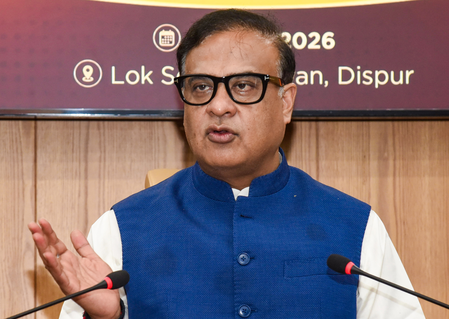
Assam Chief Minister Himanta Biswa Sarma unveiled a new initiative to boost rural entrepreneurship by allowing eligible youths to set up small businesses and Khadi units on agricultural land without prior land conversion approval. This move aims to simplify the process of establishing micro-enterprises in rural areas and promote self-employment. The Chief Minister emphasized the vision of #EaseOfDoingBusiness to support people in pursuing their entrepreneurial aspirations.
The initiative enables eligible rural entrepreneurs to establish small industrial or Khadi units on their agricultural land without the need for District Commissioner approval for land conversion. This automatic land conversion for eligible units eliminates a significant procedural obstacle that often delayed the establishment of rural enterprises. The decision is expected to streamline bureaucratic processes, enhance the ease of doing business in rural Assam, and encourage more youth to venture into entrepreneurship rather than relying solely on traditional agriculture.
Officials anticipate that this reform will simplify the process for beneficiaries of state government entrepreneurship and self-employment schemes to swiftly set up production units on their existing land. The government believes that this step will create job opportunities, bolster village-based industries, and promote value addition to agricultural products through small-scale processing and manufacturing units. This initiative is part of the broader efforts by the Assam government to enhance the state’s investment climate through administrative reforms and simplified approval procedures.
The state government has been actively digitizing services, streamlining business permissions, and fostering industrial growth to improve the ease of doing business in Assam. By reducing regulatory hurdles, the government aims to attract investments and provide opportunities for rural youth through micro and small enterprises. This particular reform is expected to be especially beneficial for first-time entrepreneurs seeking to establish businesses in their villages without facing prolonged administrative processes.
