


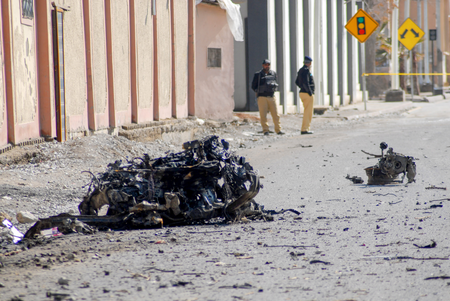
The recent clashes between Baloch insurgents and the Pakistani military have drawn global attention to the region, shedding light on severe human rights violations. The rebels, resisting military pressure, have engaged in violent confrontations. Pakistan attributes the unrest to external influences, while locals blame the government’s oppressive policies for fueling dissent.
A detailed analysis by Eurasia Review delves into the complex dynamics between the Pakistan government and Baloch residents, revealing broader issues within the state. The militarization of politics has exacerbated tensions, showcasing the consequences of military overreach into governance. Balochistan, despite its economic insignificance to Pakistan, remains a focal point for development and international promotion.
Balochistan’s strategic importance is underscored by its role in China’s investments through the China–Pakistan Economic Corridor (CPEC) and Islamabad’s efforts to attract foreign capital. The province’s rich natural resources are pivotal to Pakistan’s economic narrative, yet security challenges persist, hindering sustainable progress. Geopolitically, Balochistan’s location influences regional dynamics and international trade routes.
The province has witnessed a surge in violence as residents resist government oppression and military actions. The deteriorating military-citizen relations, exacerbated by leadership changes, have led to a stalemate. The report emphasizes that neglecting local populations while prioritizing strategic interests undermines economic growth and stability in the region. The military’s handling of security operations has faced criticism for human rights abuses and lack of accountability.
Despite escalating tensions, Islamabad continues to view Balochistan primarily as a security concern, disregarding the underlying crisis. Dissent is met with suppression, including arrests and media restrictions, perpetuating a cycle of conflict. The report warns that Balochistan’s unresolved issues pose a significant challenge not only for its inhabitants but also for Pakistan’s future stability.
