


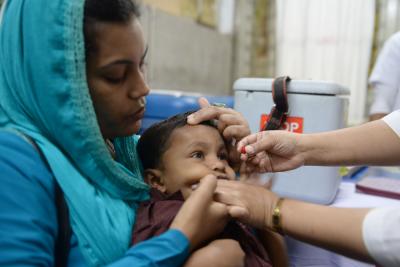
Bangladesh’s health sector, which has seen significant development over the years, is now at risk of regressing unless immediate corrective measures are implemented. The country’s national vaccination coverage has dropped to around 60 per cent in 2025, the lowest in nearly a decade, from 85-92 per cent between 2010 and 2022, highlighting a concerning trend in the health system. The decline in coverage is not just a logistical issue but a governance failure, as stated in a report by ‘The Daily Star’.
The report points out that the decline in vaccine coverage reflects institutional weakening in Bangladesh. The country’s Expanded Programme on Immunisation (EPI), once a success story, is now facing challenges due to disruptions in essential structures like procurement, financing, leadership, and workforce stability. The dismantling of the Health, Population and Nutrition Sector Programme in 2025 without a proper transition mechanism is highlighted as a critical policy failure that has contributed to the current crisis.
Structural weaknesses within the immunisation system are also a cause for concern, with a significant number of field-level positions in EPI lying vacant in various districts. The absence of frontline health workers and unpaid vaccine porters responsible for maintaining the cold chain have further exacerbated the situation, leading to a decline in vaccination coverage. The report emphasizes the urgent need to restore institutional stability, fill workforce gaps, invest in research and surveillance, and rebuild public trust through effective communication strategies.
To prevent a further deterioration of the health system, the report underscores the importance of insulating critical health systems from abrupt policy changes and administrative disruptions. It warns that failure to address these issues promptly could escalate into more severe crises, both financially and in terms of public health impact.
