


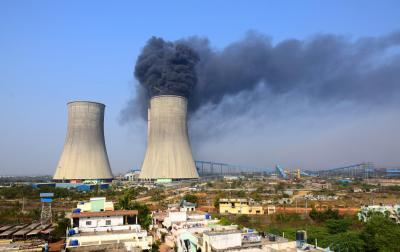
Bangladesh’s power sector, which heavily relies on fossil fuels, is identified as a significant source of pollution and a financial burden on the economy. The Bangladesh Working Group on Ecology and Development has proposed a 13-point citizen manifesto advocating for a shift towards renewable energy to combat the environmental pollution caused by fossil fuel plants, which contribute 28% to the country’s air pollution.
The group emphasized the need for a transition to renewable energy due to the substantial financial costs associated with fossil fuel dependency. Bangladesh currently spends billions on capacity charges and losses incurred by the Bangladesh Power Development Board, in addition to a significant annual expenditure on fossil fuel imports, straining the country’s foreign exchange reserves.
To facilitate the transition, the manifesto calls for the phasing out of subsidies for coal, gas, and fuel, and discourages the approval of new coal, gas, or oil-based plants. It also advocates for the creation of green jobs through short-term training and easy loan access, particularly targeting unemployed youth, women, and marginalized groups.
A clear roadmap with time-bound targets, increased budget allocations for renewable energy, and the removal of VAT and import duties on solar panels are highlighted as essential steps. The manifesto also stresses the importance of addressing the transport sector’s pollution, reducing import duties on electric vehicles, and providing incentives for farmers to adopt renewable energy practices.
