


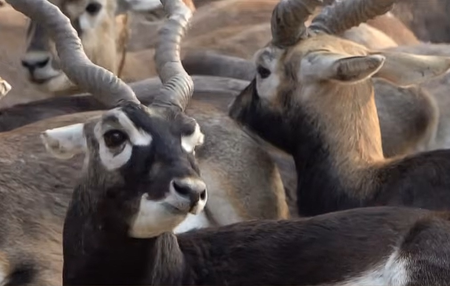
In a positive development for wildlife in Central India, the blackbuck, also known as the black deer, has made a successful return to the plains of Chhattisgarh. Prime Minister Narendra Modi highlighted this achievement during his ‘Mann Ki Baat’ address. After facing local extinction and concerted conservation efforts, these elegant antelopes are once again thriving in the state’s natural habitats, signaling the revival of a disappearing biological legacy.
The resurgence of the blackbuck is largely credited to a dedicated five-year revival program centered at the Barnawapara Wildlife Sanctuary. Following their local extinction in 2017, the state forest department implemented a strategic reintroduction plan involving the relocation of individuals from the National Zoological Park in New Delhi and the Kanan Pendari Zoological Garden in Bilaspur. Today, a growing and self-sustaining population serves as a testament to the success of specialized grassland management and veterinary surveillance.
Beyond Chhattisgarh, PM Modi, in his ‘Mann Ki Baat’ address, emphasized the emergence of similar conservation successes nationwide. He specifically mentioned the Great Indian Bustard, a critically endangered species showing signs of hope through advanced breeding programs. Recent achievements include the successful hatching of chicks in Gujarat through an innovative interstate initiative, where fertile eggs were transported from Rajasthan to revive local populations. The Prime Minister also commended the evolving human-wildlife relationship in the region.
In Chhattisgarh, a community-driven approach is proving effective in reducing human-elephant conflicts. Local villagers in Uttar Pradesh have formed dedicated teams, known as “Hathi Mitra Dals,” to monitor elephant movements. Utilizing tools like drones and WhatsApp alerts, these volunteers offer timely warnings to their communities, ensuring the protection of crops and lives. This proactive coexistence strategy has led to a noticeable decrease in conflicts and a significant rise in public trust.
By engaging local residents as the primary stewards of their environment, the state is fostering a conservation culture that harmonizes developmental requirements with the preservation of India’s diverse wildlife. As these initiatives gain traction, the return of the blackbuck and the stabilization of elephant corridors serve as symbols of the nation’s collective determination to safeguard its natural heritage.
