


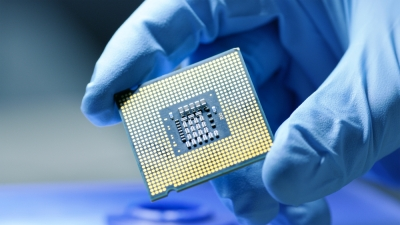
The Central government has officially announced the establishment of a Special Economic Zone (SEZ) by Tata Semiconductor Manufacturing Private Limited in Dholera, Gujarat. Spanning 66.166 hectares, this SEZ is dedicated to electronic hardware, software, and IT services, aiming to create job opportunities for 21,000 individuals. It is specifically designed to support the production of electronic hardware, software, and IT-enabled services, with a focus on enhancing operational efficiency and logistics.
In a move to bolster India’s semiconductor and electronics manufacturing sector, the government has implemented key reforms in the SEZ regulations. These reforms, including amendments to the SEZ Rules, 2006, cater to the unique needs of semiconductor and electronics manufacturing. Noteworthy changes include a reduction in the minimum land requirement, flexibility in encumbrance norms, and the allowance for domestic sales in the Domestic Tariff Area (DTA) upon payment of applicable duties.
Several proposals for setting up SEZs for semiconductor and electronics have received approval from the Board of Approval for SEZs. Micron Semiconductor Technology India Pvt Ltd is establishing an SEZ for semiconductor assembly, testing, marking, and packaging in Sanand, Gujarat, with an estimated investment of Rs 13,000 crore. Additionally, Aequs Group is initiating an electronic component manufacturing SEZ in Dharwad, Karnataka, among other approved projects. These endeavors are anticipated to strengthen domestic value chains, create skilled job opportunities, and reduce reliance on imports.
The establishment of these SEZs is envisioned to contribute to the gradual development of a competitive and resilient semiconductor ecosystem in India. Through industry collaboration and policy backing, these initiatives aim to foster integrated manufacturing clusters, enhance domestic capabilities, and position India as a prominent hub for semiconductor and electronics production.
