


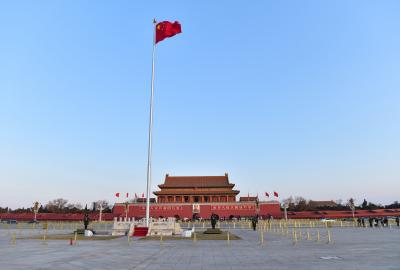
The Chinese authorities extended their digital platform censorship beyond political content during the 37th anniversary of the Tiananmen Square crackdown. This censorship targeted symbols like numbers, candles, and emojis used for remembrance and dissent, creating an atmosphere of caution.
The crackdown on these symbols discouraged citizens from simple acts of remembrance, such as lighting virtual candles or sharing poetic references. The tightening of internet controls on June 4 led to increased online censorship, affecting users across China.
China’s internet censorship has expanded to include ordinary words and imagery, not just explicit political commentary. The digital clampdown on the anniversary reflects the country’s strict control over discussions related to the Tiananmen events, which remain highly sensitive topics.
The use of technological tools in censorship has amplified restrictions, extending state control into new formats and contexts. This episode has raised concerns about digital rights, freedom of expression, and the use of automated moderation tools in politically sensitive situations.
For ordinary internet users in China, navigating online interactions now carries the risk of account suspensions or surveillance-linked interventions. The rapid censorship surrounding the anniversary highlights a preemptive control approach over contextual evaluation in digital governance.
