


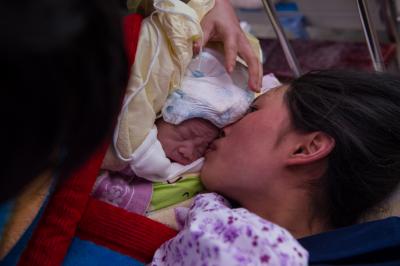
The low birth rate in China continues to raise concerns about the impact of the previous one-child policy on the population demographic. Despite efforts such as family-support policies and childcare subsidies, the birth count hit a record low last year, dropping by approximately 10 million from its peak in 2016. China witnessed a population decline for the fourth consecutive year, with only 7.92 million births in 2025, marking the lowest figure since 1949.
The National Bureau of Statistics reported a 17% decrease in births from 2024 to 2025, with 7.92 million births recorded last year. This decline set a new record low, surpassing the previous low in 2023. Additionally, China’s total population decreased by 3.39 million in 2025, reaching 1.4049 billion, the most significant annual decline on record.
In 2025, China also experienced one of the highest total deaths in five decades, with approximately 11.31 million deaths. The declining population rate is attributed to factors such as young people’s reluctance to marry and increasing economic pressures. Experts emphasize the need for policymakers to focus on domestic structural reforms and implement more robust fertility policies to address the shrinking population and potential future challenges.
China has taken steps to address the declining birth rate by introducing family-support policies to reduce child-rearing costs and alleviate pressures discouraging couples from having children. Initiatives include a national childcare subsidy scheme providing up to $1,534 annually for each child under three. Despite short-term fluctuations, experts believe a return to positive population growth is unlikely, emphasizing the importance of sustained policy responses to support population growth.
