


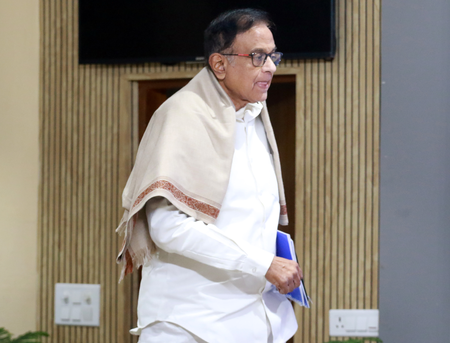
The Congress high command has empowered senior leader P. Chidambaram to finalize the seat-sharing agreement with Tamil Nadu’s ruling party, DMK, for the upcoming elections. This decision, made after consultations among the party’s top leadership in New Delhi, reflects a strong intent to swiftly conclude negotiations and progress with election preparations in the state.
Rahul Gandhi, a key Congress figure, has given his nod to the arrangement, which has been communicated to party President Mallikarjun Kharge. Acting on this approval, Kharge has tasked Chidambaram with conducting the final discussions with DMK leaders to secure the alliance agreement.
This move strategically positions the seasoned former Union Minister at the forefront of negotiations with Chief Minister M.K. Stalin’s party, which leads the ruling alliance in Tamil Nadu.
Sources close to the discussions suggest that DMK has proposed 27 Assembly constituencies for Congress in the alliance formula. However, there are hints that this number might increase to 28 seats in the final pact to accommodate the Congress leadership’s requests. Alongside Assembly seats, Congress is also expected to gain one Rajya Sabha seat as part of the broader political understanding between the allies.
Insiders anticipate the Rajya Sabha seat to play a crucial role in maintaining balance within the alliance. Negotiations on seat-sharing between DMK and Congress have been ongoing for weeks, marked by intense deliberations, with Congress initially aiming for a larger share of constituencies.
While there were speculations about strains within the alliance during the talks, the latest developments suggest a mutual commitment from both parties to sustain the partnership and avoid prolonged uncertainty before the election schedule announcement by the Election Commission.
With the high command’s authorization in place, party leaders foresee the agreement’s imminent finalization, paving the way for candidate list announcements and coordinated campaign activities between DMK and Congress in the lead-up to the elections.
