


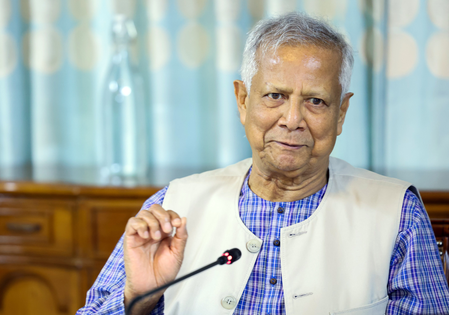
Developments in Bangladesh have been in the spotlight recently, with the interim administration, led by Muhammad Yunus, taking steps to address a negative image stemming from incidents of arson and killings. Khuda Baksh Chowdhury, Bangladesh’s special assistant to Chief Adviser Muhammad Yunus, resigned on Wednesday, with his resignation swiftly accepted and announced through a gazette notification.
On the same day, reports emerged of the lynching of a Hindu man named Amrit Mondal, also known as Samrat, in Rajbari district. Mondal was allegedly attacked over extortion claims, sparking discussions about his connections and possible motives. The interim administration, while facing global condemnation, has been working to address such incidents promptly.
The resignation of Chowdhury signals the administration’s commitment to holding accountable those responsible for maintaining law and order. Additionally, the administration’s swift actions in revealing Mondal’s past helped avoid further allegations of targeted killings following a recent violent incident in Mymensingh. The unrest in the country has highlighted the challenges faced by minorities and the risks of violence fueled by rumors during times of political turmoil.
Amidst these developments, it was reported that Samrat had a history of criminal cases, including murder, and was allegedly part of a gang. Despite being in hiding in India previously, he returned to Bangladesh, engaging in criminal activities once again. The incidents underscore the importance of upholding justice through legal means rather than resorting to mob violence.
Chowdhury, a former Inspector General of Police, was appointed as a special assistant to Chief Adviser Muhammad Yunus last year to oversee security measures. However, his recent resignation was attributed to his alleged failure to meet expectations in restoring discipline within law enforcement agencies. The administration had hoped he would play a crucial role in maintaining order and morale within the police force.
