


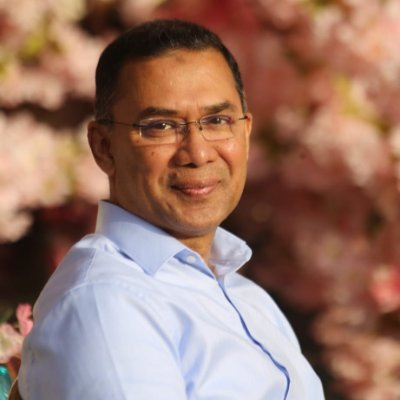
A double-layer security cordon has been set up in Dhaka in anticipation of the return of Tarique Rahman, the acting chairman of the Bangladesh Nationalist Party (BNP), after more than 17 years in exile. Tarique Rahman, the son of former president Ziaur Rahman and former prime minister Khaleda Zia, aims to strategize for the BNP’s electoral plans for the 2026 polls in the absence of his ailing mother. He has been leading the party from London, facing legal challenges and political unrest in Bangladesh.
Now 60 years old, Tarique Rahman played a significant role in BNP’s organizational politics and youth mobilization during the 1990s and early 2000s. Despite spending years in exile, he continued to guide the party’s activities from Britain, while being embroiled in legal issues and political controversies in Bangladesh. His return ahead of the 2026 general election has garnered significant attention, with the BNP preparing for a high-profile reception to mark his comeback.
Tarique’s lineage as part of the Zia family gives him symbolic importance within the BNP, offering a sense of continuity and a rallying point for supporters amidst the challenges faced by Khaleda Zia’s health issues. His return signifies not just a leadership shift but also a morale boost and a reaffirmation of the party’s national presence. Authorities have heightened security measures in anticipation of his arrival, restricting access to the airport where he is scheduled to land.
BNP leaders view Tarique’s return as a potential catalyst for mass mobilization, hoping to translate the renewed grassroots energy into electoral momentum. While supporters are energized by his comeback, there are concerns about potential legal and diplomatic repercussions. His presence is expected to impact the political landscape, fueling polarization and potentially inviting international scrutiny on Bangladesh’s political stability and rule of law. The global community is keenly observing how his return will influence the country’s political dynamics and whether it will pave the way for constructive political dialogue.
