


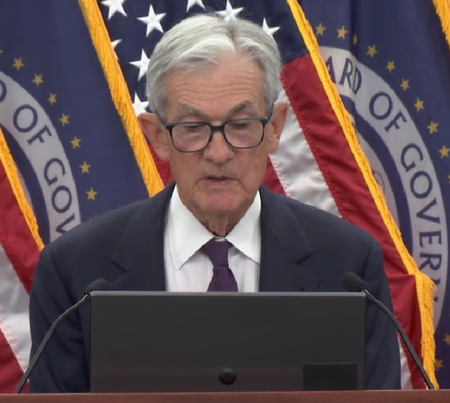
The Federal Reserve, under Chair Jerome Powell, decided to maintain the current policy rate, keeping the federal funds rate target range at 3.5% to 3.75%. Powell highlighted that inflation levels are still somewhat high, partly due to tariffs impacting goods prices. He noted that the economy showed solid growth in the previous year and has started 2026 on a strong footing.
Powell mentioned that consumer spending has been resilient, while business investment has continued to expand. However, he pointed out a weakness in the housing sector. He also acknowledged the impact of the recent federal government shutdown on the economy, stating that the effects are expected to reverse as growth picks up this quarter.
Regarding job market conditions, Powell indicated a possible stabilization after a period of gradual softening. He noted that while the unemployment rate remained at 4.4% in December, job growth has been sluggish. Powell attributed the slower job growth partially to a decline in labor force growth due to reduced immigration and labor force participation.
In terms of inflation, Powell acknowledged a cooling trend from the previous year but emphasized that it still exceeds the Fed’s target. He highlighted that goods sector inflation, influenced by tariffs, remains a concern, while services sector inflation shows signs of disinflation. Powell expressed expectations that tariff effects on goods prices would peak and gradually decline, barring significant tariff increases.
Powell clarified that the Fed has not set a fixed timeline for its next policy move, emphasizing that monetary policy decisions are made on a meeting-by-meeting basis. He mentioned the possibility of easing policy if inflation moderates and the labor market weakens, while also keeping a close eye on inflation trends. Powell also addressed concerns about US deficits, calling the federal budget deficit unsustainable and urging timely action to address it.
In response to queries about potential rate hikes, Powell stated that such actions are not ruled out but are not the current expectation. He emphasized the importance of maintaining the Fed’s independence from political influence, highlighting the significance of credibility in the central bank’s operations.
