


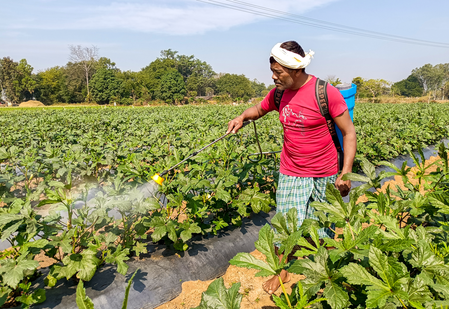
The Ministry of Chemicals and Fertilisers announced a 23% increase in domestic urea production for the upcoming Kharif 2026 season. This surge follows the Government’s efforts to ramp up natural gas supply to urea plants. By securing additional gas through global tenders and boosting domestic production, the Government aims to ensure ample fertilizer availability for farmers and safeguard against global supply disruptions, particularly in West Asia.
The strategy includes enhancing natural gas supply, a vital component for urea production. Through the Empowered Pool Management Committee (EPMC), the Government has secured an extra 7.31 MMSCMD of gas on a spot basis. This move has elevated total gas supply to urea plants from 32 MMSCMD to 39.31 MMSCMD, representing a significant 23% increase.
The augmented gas availability is projected to directly impact domestic urea production, expected to rise from 54,500 metric tonnes per day to approximately 67,000 metric tonnes per day, reflecting the same 23% increase. Moreover, the improved gas supply has elevated the fulfillment of urea plants’ gas requirements from 62% to 76%, enhancing operational efficiency.
The Government has also bolstered its stock position, with current urea stocks at 61.14 lakh metric tonnes, up from 55.22 lakh metric tonnes in March last year. Additionally, DAP stocks have more than doubled to 24.24 lakh metric tonnes, providing an extra buffer for farmers during the sowing season.
Officials attribute this progress to proactive planning, with the Department of Fertilisers initiating global tenders well in advance to mitigate potential disruptions due to geopolitical tensions. These tenders have received a positive response, with most imported quantities expected to arrive in India by the end of March. Ministry of External Affairs spokesperson Randhir Jaiswal highlighted India’s comfortable position regarding fertilizer availability, emphasizing a diversified import strategy and ongoing coordination with multiple countries for steady supplies.
