


In a significant move to enhance leadership skills and introduce democratic processes to adolescent girls, the Gujarat government has established ‘Balika Panchayats’ in more than 13,000 gram panchayats statewide. This initiative positions Gujarat as the first state in India to implement such a program at this scale. Initially piloted in Mota Angiya and Maska villages of Kutch district, the Balika Panchayat project has now expanded to encompass all districts in Gujarat.
The Balika Panchayat initiative’s primary goal is to provide young girls with practical knowledge of democracy, governance, and civic engagement from an early age. Inspired by Prime Minister Narendra Modi’s ‘Beti Bachao, Beti Padhao’ campaign, the state government has been actively working towards enhancing the status of girls, from promoting their birth and education to facilitating their journey towards self-sufficiency. Gujarat’s Balika Panchayat model is viewed as a significant stride in this direction.
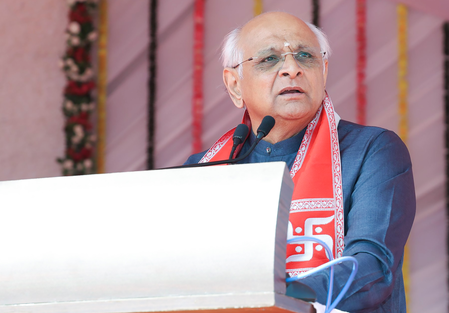
Under the leadership of Chief Minister Bhupendra Patel and Women and Child Development Minister Dr. Manisha Vakil, Gujarat has intensified its efforts to foster education, awareness, and empowerment among girls. The National Girl Child Day, observed annually on January 24 since 2008, focuses on bridging gender gaps and enhancing girls’ access to education, health, and equality. This year’s theme emphasizes empowering girls for a brighter future.
To support the implementation of Balika Panchayats, the state government, in partnership with UNICEF, has formulated a comprehensive ‘Balika Panchayat Training Module.’ This module addresses crucial topics like nutrition, anemia, gender-based discrimination, leadership skills, Panchayati Raj institutions, child rights, safety laws, adolescent health, and physical changes during adolescence. Initial Training of Trainers (ToT) sessions were conducted for ICDS and women welfare personnel of the Women and Child Development Department with UNICEF’s assistance. The subsequent phase aims to train over 1,900 master trainers across all districts, who will further educate girls in remote villages, bolstering grassroots-level empowerment.
The state government has reaffirmed its dedication to eradicating social issues such as female foeticide, child marriage, and child labor, while ensuring equal opportunities for girls. Officials stress that National Girl Child Day signifies more than just a symbolic observance; it underscores the state’s commitment to upholding the dignity, rights, and future aspirations of every girl child.
