


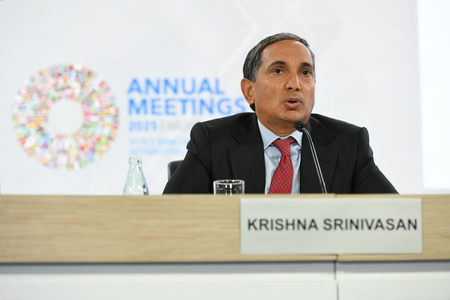
India’s growth outlook remains strong, according to the International Monetary Fund (IMF), with a slight increase in the forecast. The IMF cited strong momentum at the beginning of 2026 and reduced tariff pressures as contributing factors. However, the IMF warned that a prolonged increase in global energy prices could present risks to the Indian economy.
The IMF highlighted that India has benefited from previous tax reforms, which have supported growth alongside domestic demand. Despite the positive outlook, risks from the Middle East conflict were noted as significant by the IMF. The organization emphasized that if the conflict escalates and extends beyond oil and gas, it could disrupt India’s economy.
India, like other Asian economies, faces exposure to higher energy prices due to its reliance on imports. The IMF cautioned that rising oil and gas costs could lead to inflation and widen external imbalances. The IMF also commended India’s prudent fiscal stance, emphasizing the importance of maintaining buffers in case global conditions deteriorate.
The IMF reiterated its policy advice for the region, urging governments to allow market adjustments while safeguarding vulnerable groups. It recommended providing targeted and temporary support and allowing price signals to function. Despite challenges, remittances, a key support for India’s external sector, have remained resilient, according to the IMF.
The IMF warned of potential broader spillovers from the conflict affecting trade, supply chains, and commodity markets, leading to increased uncertainty for policymakers. India’s economic growth in recent years has been driven by domestic consumption, public investment, and structural reforms, alongside efforts to enhance fiscal discipline and foreign exchange reserves. However, the country’s dependence on imported crude oil exposes it to global price shocks, posing a significant risk factor for the economy.
