


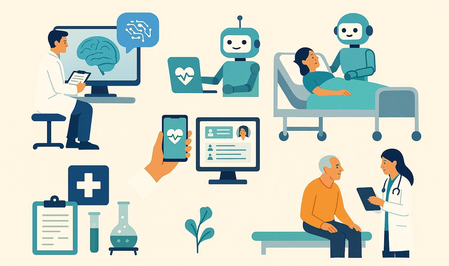
India is recognized as one of the most AI-ready healthcare markets in the Asia-Pacific region, with 78% of consumers utilizing generative AI (GenAI) to enhance their understanding of diagnoses and treatment options, as per a report by Bain & Company. The report highlights that 73% of Indian consumers use AI to prepare for medical appointments, while 72% rely on it to navigate the healthcare system efficiently.
The adoption of digital health among Gen Z individuals is on the rise, with 66% of respondents from this demographic segment utilizing online pharmacies and showing increased engagement with AI-powered healthcare tools and services. The report emphasizes that the growing demand for convenience and coordination in healthcare is intersecting with a strained clinical workforce in Asia-Pacific healthcare systems, prompting a shift towards new care models and AI-driven support.
In India, consumers are particularly keen on easier access and responsiveness in healthcare services, with 88% of respondents expressing a desire for more convenient healthcare experiences and 79% expecting doctors to be accessible via phone and messaging. Moreover, 93% of Indian participants expressed the need for a single point of coordination throughout their healthcare journey.
Challenges related to healthcare affordability and access persist, with 43% of respondents citing high costs, 42% mentioning long wait times, and 30% experiencing delays in securing appointments. The report also notes that fragmentation in the healthcare system adds to the complexity, with over 45% of consumers facing difficulties in navigating the system and 62% often needing to consult multiple providers before receiving the correct diagnosis or treatment plan.
While 59% of respondents in India prefer in-person clinics as their primary coordination point, showing continued trust in traditional healthcare providers like primary care physicians (85%) and hospitals (75%), the country lags behind the Asia-Pacific average in the adoption of alternate care models at 42% compared to the regional average of 57%. Telehealth services are predominantly used for non-acute cases in India, with limited steerage by payers in the cash-pay market.
