


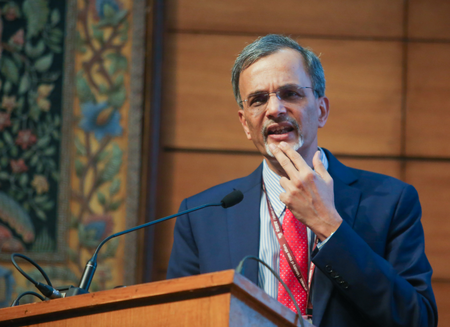
India is confronting increased risks from global conflicts and energy price fluctuations, as highlighted by Chief Economic Advisor V. Anantha Nageswaran. Despite projecting a 6.5% GDP growth, Nageswaran emphasized the prevalence of uncertainty that should not be underestimated. The impact of global tensions on India includes higher energy prices, trade disruptions, increased logistics and insurance costs, and reduced remittance flows.
Nageswaran pointed out that the challenges extend beyond oil prices to other critical commodities. He noted that India’s landed crude cost surged to approximately $113 per barrel in March. Even if conflicts de-escalate, the normalization of the economy might be a prolonged process. Nageswaran emphasized the importance of restoring normalcy in energy markets post-conflict resolution.
While India received $124 billion in remittances in 2024–25, with half originating from the Gulf, disruptions in these regions could potentially lead to a $5–10 billion decrease in inflows. Despite these risks, Nageswaran underscored India’s robust macroeconomic fundamentals and its ability to face challenges from a position of strength. The country’s economic landscape showcases sustained growth, moderate inflation, and enhanced fiscal balances.
Nageswaran highlighted India’s expanding global engagements through new trade agreements, emphasizing the country’s openness to foreign goods and services. These agreements are envisioned to mitigate external shocks and bolster India’s participation in global value chains. Additionally, he emphasized the significant increase in public investment, particularly in capital expenditure, which has substantially improved infrastructure, logistics, and connectivity.
Recognizing structural hurdles, Nageswaran emphasized the necessity of addressing the impact of artificial intelligence on job markets. He stressed the importance of enhancing vocational training and creating job opportunities in sectors resilient to AI disruptions, such as healthcare, hospitality, and elder care. Looking forward, he advocated for the establishment of strategic reserves in key commodities to reduce vulnerability to supply shocks.
The US-India Economic Forum, organized by the US-India Strategic Partnership Forum, convened policymakers and industry leaders to deliberate on bilateral relations and economic challenges. India, aiming to become a $5 trillion economy in the near future, has navigated global risks through robust reserves, consistent reforms, and a resilient domestic demand.
