


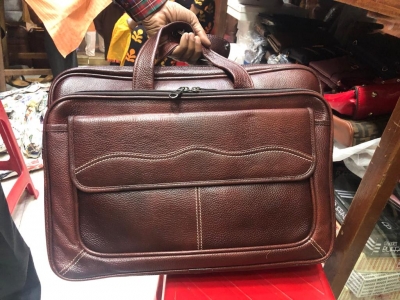
The Indian leather sector is poised for significant growth, with a target of achieving a $50 billion turnover by 2030. A recent report by CareEdge Ratings highlights the sector’s positive outlook, driven by increasing export momentum and growing domestic consumption. The Union Budget 2026–27, the India–European Union Free Trade Agreement, and reduced US import tariffs are cited as key factors creating a favorable policy environment for India’s leather industry.
India’s leather industry, known for its labor-intensive nature and export focus, primarily deals in finished products like footwear, leather goods, and garments rather than raw hides. This emphasis on value addition positions the industry well for scaling exports and enhancing market competitiveness. The recent trade developments are expected to bring about cost efficiencies, leading to improved profitability margins for the sector.
The removal of EU import tariffs, previously as high as 17%, under the new agreement significantly enhances the cost competitiveness of Indian leather and footwear products in the European market. This move is projected to boost India’s exports and enable local companies to capture a larger share of the EU’s leather and footwear market. With tariffs set to drop to zero in FY26, India stands to benefit greatly, enhancing its export potential and value proposition in the global market.
