


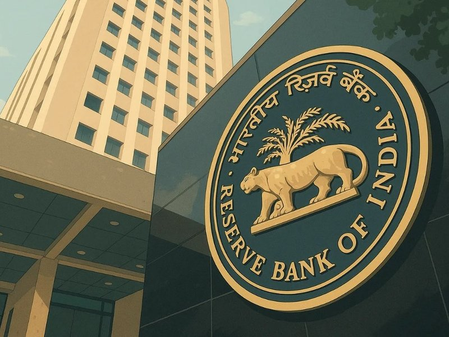
India’s economic fundamentals are robust, providing a positive growth outlook. Concerns over the India–US trade deal’s uncertainty may prompt the Reserve Bank of India to implement further rate cuts, according to Goldman Sachs. The country’s mass consumption narrative, particularly in rural areas and among lower-income urban households, is still in the early stages of recovery, aided by favorable factors like a good crop cycle and government initiatives such as GST cuts benefiting lower-income groups.
Goldman Sachs suggests that these factors are gradually boosting demand despite ongoing global uncertainties. Santanu Sengupta, Chief India Economist at Goldman Sachs, anticipates the finalization of the India–US trade deal by the first quarter of FY27. However, delays beyond this timeline could pose growth challenges, potentially requiring government and RBI intervention to bolster the economy. While the overall consumption outlook in India remains positive, disparities exist across income brackets.
The affluent consumer segment, encompassing middle and high-income groups, initially experienced growth post-Covid-19 but is now displaying signs of deceleration. Middle-income consumers are grappling with issues related to job creation and the rise of artificial intelligence. The government’s fiscal strategy in FY26 shifted towards supporting consumption through tax cuts, resulting in a robust 7.6% real GDP growth in 2025. However, nominal GDP growth hit a six-year low, excluding the pandemic period, primarily due to minimal inflation.
