


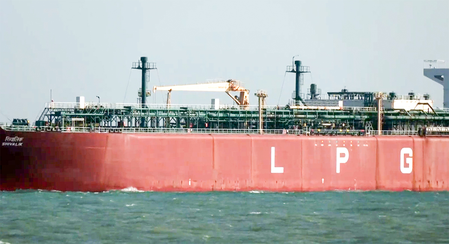
The recent tensions in the Gulf region, especially around the critical Strait of Hormuz, have highlighted global energy supply chain vulnerabilities. India, a country heavily reliant on imported hydrocarbons, faces concerns over fuel shortages during such disruptions. Despite social media amplifying anxieties about LPG availability, India’s energy system has proven resilient and capable of managing external shocks effectively.
At the core of these concerns is the Strait of Hormuz, a vital maritime passage for a significant portion of the world’s oil and LPG supplies. India, which imports a substantial amount of its LPG through this route, has managed to stabilize domestic supply despite shipping disruptions and geopolitical risks.
India’s response has been marked by a clear focus on meeting household energy needs. With millions of households dependent on LPG for cooking, the government swiftly ensured uninterrupted supply for domestic users while managing temporary constraints for commercial sectors.
The country’s proactive measures included ramping up domestic production to offset import disruptions. Refineries redirected hydrocarbon streams towards LPG production, significantly boosting domestic output. State-level initiatives further enhanced production capacity, reducing immediate reliance on imports and ensuring stable supply.
India’s robust distribution infrastructure, supported by an extensive network of bottling plants and distributors, plays a crucial role in maintaining supply stability. The country’s large LPG ecosystem, coupled with a national buffer stock, ensures minimal disruptions in household distribution even during delayed shipments.
Public sector oil companies like Indian Oil, Bharat Petroleum, and Hindustan Petroleum have been instrumental in balancing supply across regions in real time. Continuous monitoring of stock levels and demand patterns has helped prevent market distortions. Regulatory measures have also curbed hoarding and black-market activities, ensuring equitable distribution.
Diplomatic engagement and maritime coordination have facilitated the flow of energy imports, with the Indian Navy ensuring safe passage for merchant vessels and diplomatic channels aiding LPG tanker movements. Long-term structural reforms, including source diversification and strategic reserves, have strengthened India’s energy security.
India’s energy strategy now focuses on diversification and sustainability, with investments in renewable energy and clean cooking fuel initiatives. The recent LPG supply concerns underscore the importance of responsible communication and verified information during global uncertainties. India’s energy security framework, built on prioritized distribution, enhanced production, and international coordination, has proven robust and responsive.
