


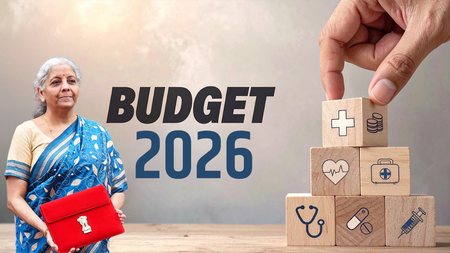
Ahead of the upcoming Union Budget 2026-27, experts have urged the government to increase health spending and provide GST exemption on critical equipment and vaccines. They emphasize the need for a focus on diseases like thalassemia and cancer. The Finance Minister Nirmala Sitharaman is set to present the budget on February 1 at 11 am.
The experts highlight the growing burden of non-communicable diseases and cancers in India. They stress the importance of investing in public health infrastructure, prevention, and technology-driven care. Currently, public health expenditure falls below the target of 2.5% of GDP set by the National Health Policy.
Jyotsna Govil, chairperson of the Indian Cancer Society, Delhi Branch, emphasizes the importance of increasing public health spending to 2.5-5% of GDP. She calls for measures like population-based screening, universal HPV vaccination, and affordable access to new therapies. Govil also advocates for GST exemptions on essential medical items and responsible FDI regulation.
Deepak Chopra from the Thalassemia Patients Advocacy Group (TPAG) urges the government to make lifelong care affordable for thalassemia patients. He highlights the high duties and taxes on crucial medical equipment and medicines. Chopra requests the removal of customs duty and GST on these items to ease the financial burden on patients.
Dr. Vinay Aggarwal, former National President of the Indian Medical Association, stresses the importance of tax-funded universal health care. He calls for increased public health allocation, reforms in existing health schemes, and GST exemptions on critical medical supplies. Aggarwal also emphasizes the need for regulatory measures and the establishment of a National Healthcare Fund.
Pavan Choudary, Chairman of the Medical Technology Association of India (MTaI), recommends expanding insurance coverage for effective procedures to enhance patient outcomes. Rajiv Nath, Forum Coordinator of the Association of Indian Medical Devices (AiMeD), suggests raising tariffs to support domestic manufacturing and incentivize local suppliers.
