


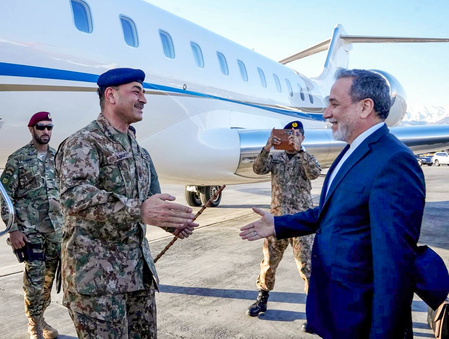
Iran is increasingly feeling that Pakistan, hosting United States-Iran talks, is not a neutral intermediary, as suspicions arise that sensitive information is being shared with Washington, undermining the mediation process. Sergio Restelli, an Italian political advisor, highlighted that if a mediator is perceived as porous and aligned by one party, trust is eroded, making rebuilding trust challenging. The breakdown of talks in Islamabad, with the Iranian Foreign Minister leaving early, disrupted diplomatic proceedings, leading to a swift reaction from Washington, including the cancellation of envoys’ travel plans to Pakistan.
Pakistan’s attempt to position itself in US-Iran diplomacy is being questioned, with concerns raised about its credibility in hosting talks. Restelli noted that Iran’s preference for Oman as a venue is deliberate, given Muscat’s reputation for discreet diplomacy compared to Islamabad’s more visible and theatrical approach. Tehran fears that the talks may serve as a smokescreen for the US to adjust its regional stance while Iran engages in what appears to be performative negotiations. The perception of talks as a public relations exercise rather than genuine diplomacy poses a risk for Iran.
The expert emphasized that the perception of Pakistan’s diplomatic role affects its credibility both domestically and internationally. Islamabad’s focus on projecting itself as a key player in global negotiations, while grappling with economic and political challenges, may backfire if it overshadows genuine diplomatic efforts. Restelli highlighted that diplomacy cannot compensate for legitimacy deficits at home, cautioning against overreaching in international affairs, which could exacerbate domestic issues.
